
Skin Treatment
Chemical Peels
Targeted resurfacing, matched to your skin.
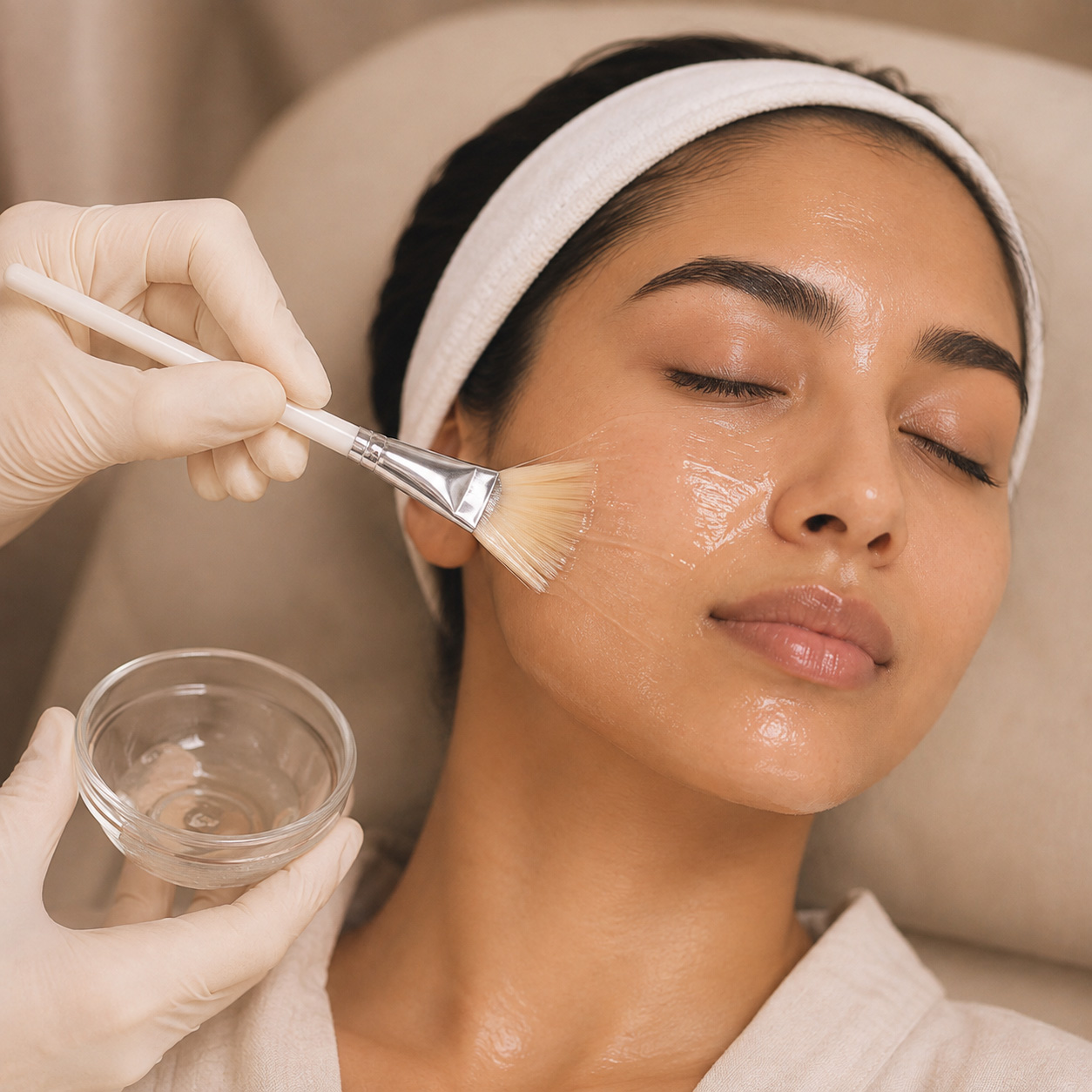
Chemical peels use controlled application of active acids to exfoliate the skin at a precise depth, accelerating cell turnover to improve texture, tone, pigmentation and clarity. Unlike a facial, which works at and near the surface, a peel is a resurfacing treatment: it removes damaged surface cells to reveal fresher skin beneath and stimulate renewal. We use professional-grade peel systems, matched to your skin and your concern at consultation, from gentle, no-downtime refreshers through to stronger resurfacing peels.
From
£125
Downtime
None to a few days
Session
30 - 45 min
Areas
Face · Neck · Décolletage
Results
Progressive over a course
A resurfacing treatment, not a facial
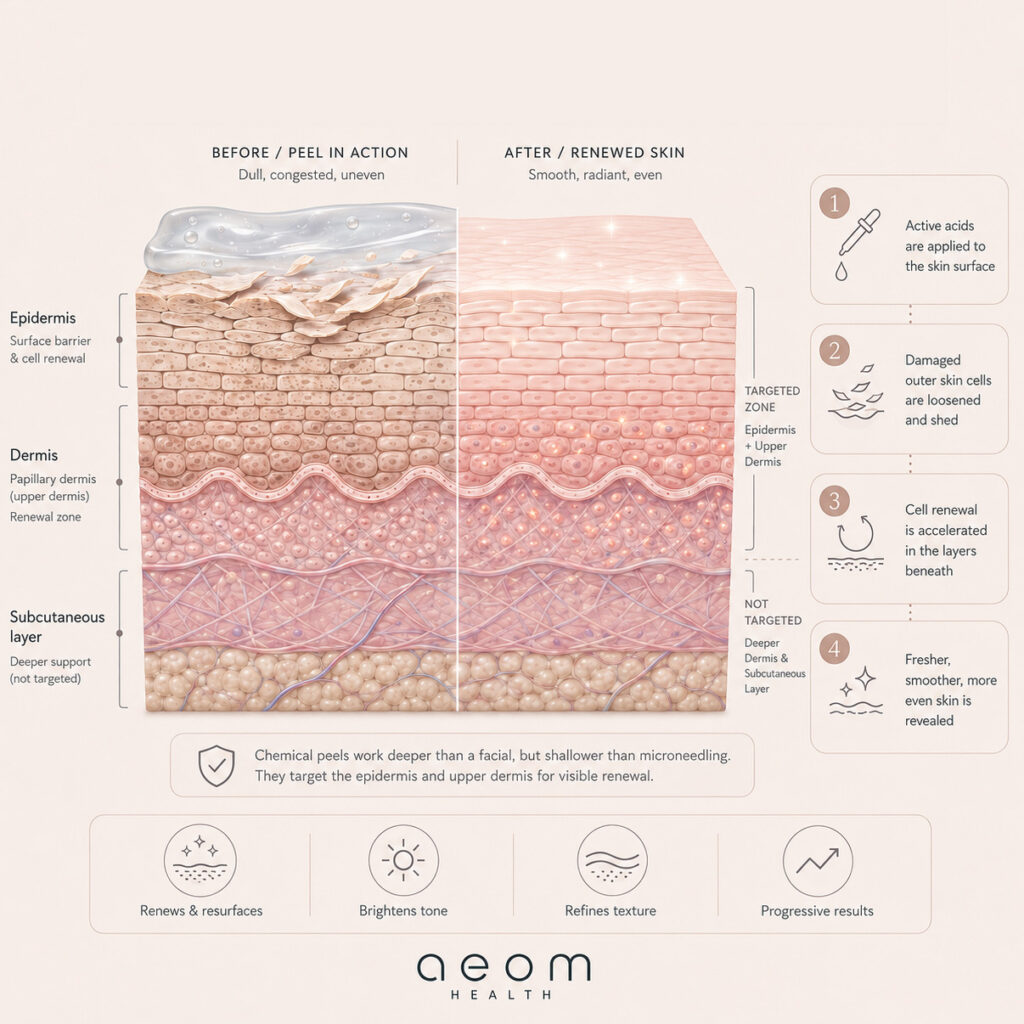
Chemical peels and facials are often grouped together, but they do different things. A facial cleanses, conditions and maintains the skin, working largely at the surface. A peel is a controlled resurfacing procedure, a professional acid formulation applied at a specific strength and depth to exfoliate damaged cells, trigger renewal, and target a defined concern.
At AEOM we use advanced professional peel systems, chosen for their precision and their strong safety profile across a range of skin types. The right peel, at the right strength, for the right skin, decided at consultation rather than off a menu, is what separates a genuinely effective peel from a generic one.
How chemical peels work
A peel works by applying active acids to the skin in a controlled way, loosening the bonds between surface skin cells so the damaged outer layer sheds and renews. Depending on the acid and strength used, a peel works at different depths:
- Superficial peels exfoliate the outermost layer, brightening, refreshing and improving surface texture with little to no downtime. Ideal for maintenance and radiance.
- Medium-depth peels reach further into the skin to address pigmentation, sun damage, uneven texture and fine lines, with a short recovery period as the skin renews.
The strength, acid type and number of layers are all tailored to your skin. Because a peel accelerates the skin's natural renewal, results build progressively, and most concerns respond best to a short course rather than a single treatment.
WHO IT'S FOR
Who chemical peels are right for
Well-suited if you are:
Dullness and uneven skin tone
Pigmentation, sun damage and dark patches
Uneven texture and rough skin
Fine lines and early signs of ageing
Congestion, breakouts and acne-prone skin
Post-acne marks
Overall radiance and skin refresh
may not be the right primary treatment if:
Active cold sores or a skin infection in the treatment area
Recent (within 2 weeks) laser, waxing or other resurfacing in the same area
Compromised or broken skin, sunburn or an active eczema/psoriasis flare in the area
Certain photosensitising medications — tell us at consultation
Pregnancy — some peels are not delivered during pregnancy; we'll advise at consultation
WHAT TO EXPECT
Before, during and after
Before
Consultation & assessment
Every peel begins with a consultation and skin assessment to identify your skin type, your concern and the right peel and strength, for first-time patients we typically include Observ 520x imaging as a baseline. Depending on the peel, we may recommend a short period of skin preparation beforehand. Avoid sun exposure, retinoids and exfoliating acids in the days before, and come with clean skin.
During
The session
The treatment takes around 30–45 minutes. The skin is cleansed and prepped, then the peel solution is applied and left to work for a controlled time, sometimes in layers. Most patients feel a mild tingling, warmth or light stinging during application, which settles quickly. The skin is then neutralised (where required) and soothed, and we finish with aftercare guidance and sun protection.
After
Recovery
Immediately, skin may look slightly pink or feel tight, similar to mild sun exposure. Superficial peels typically have little to no downtime; medium-depth peels are followed by a few days of light flaking or peeling as the skin renews, this is the treatment working, and it's important not to pick or pull the skin. Most visible peeling settles within 3–7 days, revealing fresher, brighter skin. Diligent sun protection afterwards is essential.
RESULTS
What results actually look like
A single peel gives an immediate freshness and glow. The more meaningful change — improved tone, reduced pigmentation, smoother texture, greater clarity — builds progressively across a course, as each treatment accelerates renewal and the effects compound. Most concerns respond best to a course of several peels spaced a few weeks apart, followed by maintenance. We'll set out a realistic plan and timeline at consultation, and be honest about what a peel will and won't achieve for your specific concern — sometimes a different or combined approach is the better answer.
PRICING
Chemical Peel pricing
Treatment
Price (from)
Duration
Single Clinical Facial
£95
45 minutes
Course of 3
£255 (£85 per session)
45 minutes per session
Course of 6
£480 (£80 per session)
45 minutes per session
Add-ons:
Add-on
Price
LED Light Therapy (same day)
£40
Eye Treatment Boost
£40
Decolletage / Neck Add-on
£45
COMBINE WITH
Treatments that combine well
with Clinical Facials
LED Light Therapy
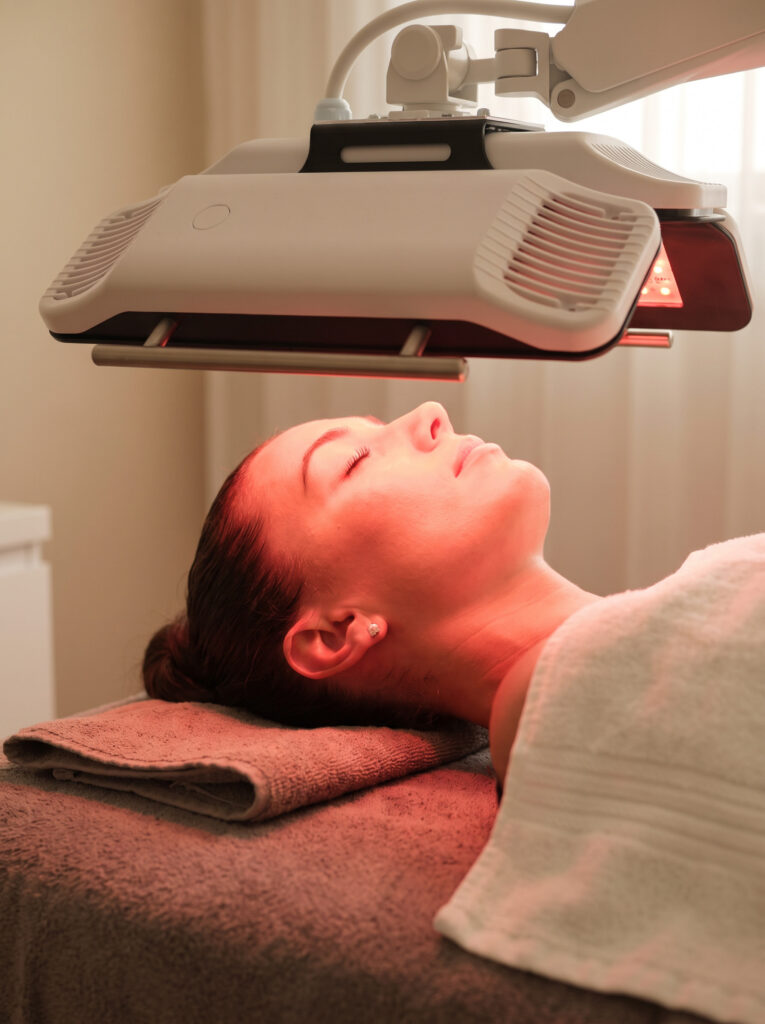
LED at the end of the facial supports the calming and regenerative response. Available as a £40 add-on.
Advanced Facial
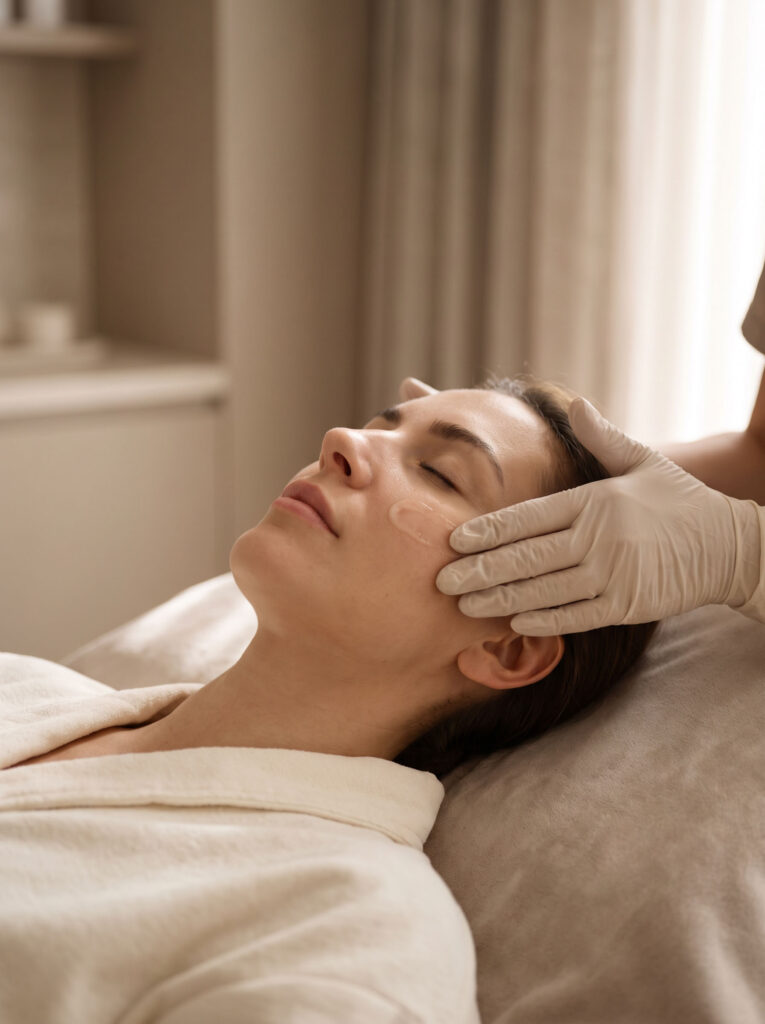
A facial maintains and conditions the skin between peels, supporting overall skin health alongside the resurfacing work.
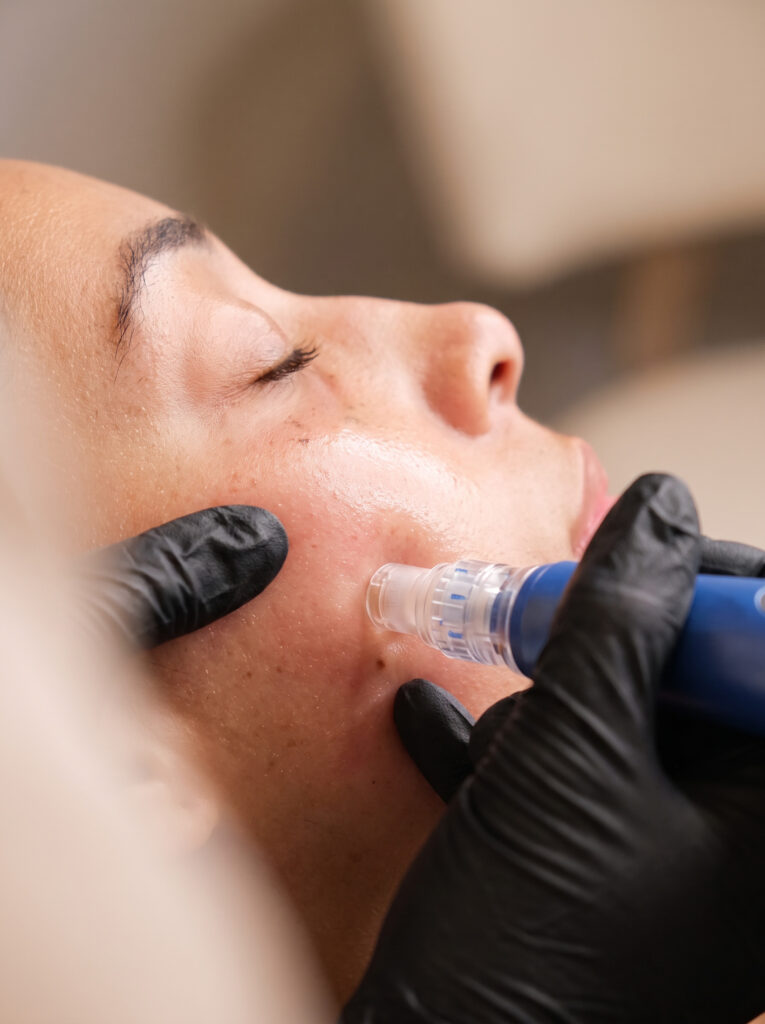
SkinPen Elite Microneedling
Peels resurface and renew the surface; microneedling works deeper on texture and collagen. Staged appropriately, they address skin quality at more than one level.
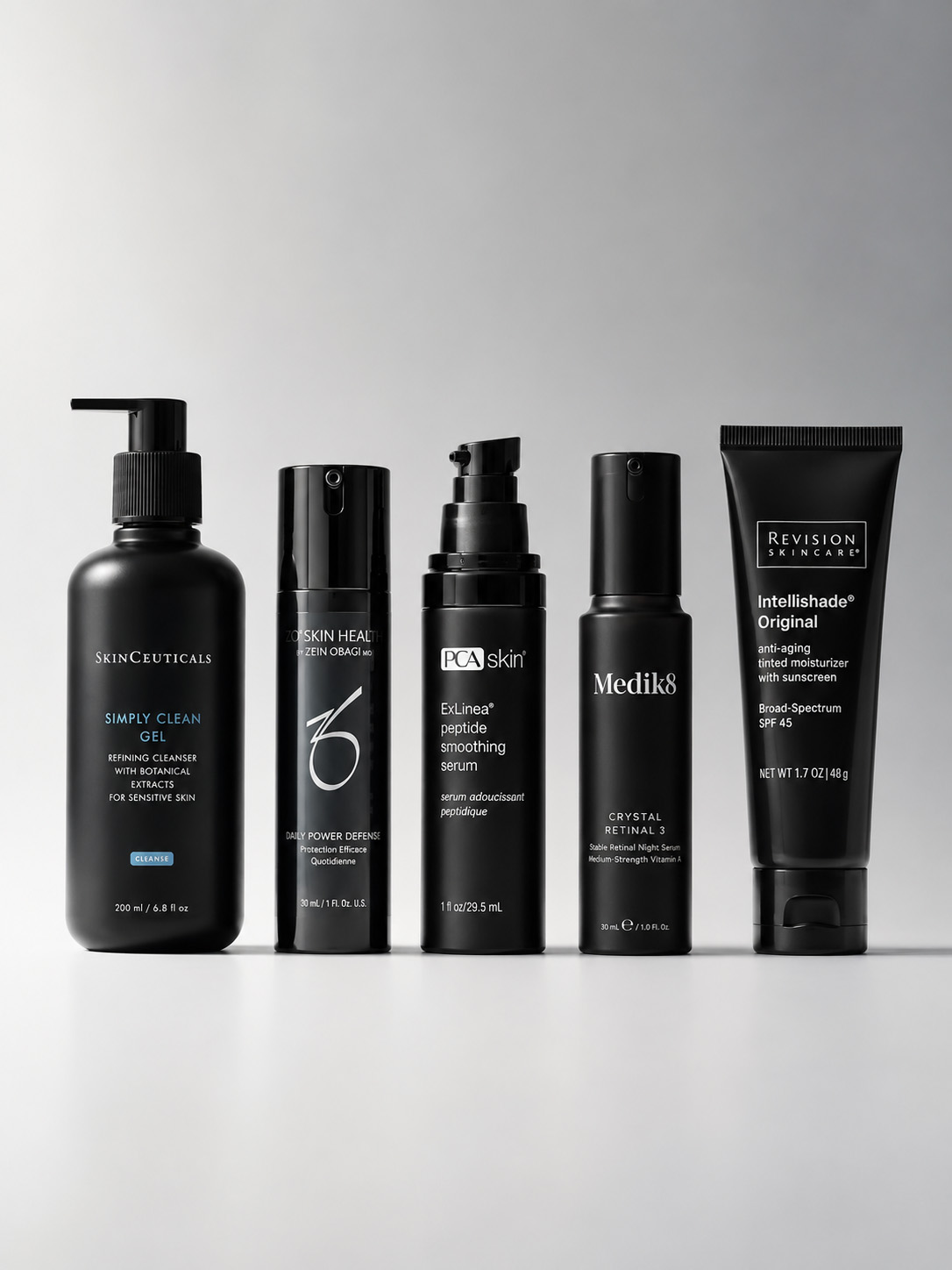
Skincare
The right homecare, prescribed to your skin, protects and extends the results of a peel course and keeps the skin renewing between treatments.
Frequently asked questions
Will my skin peel visibly, and how much?
It depends on the strength of peel. Superficial peels usually cause little to no visible peeling, some light flaking at most. Medium-depth peels are followed by a few days of more noticeable flaking or peeling as the surface renews. We'll always tell you honestly what to expect before your treatment, so there are no surprises, and we'll match the peel strength to your skin and, where it matters, to your schedule.
How much downtime is there?
Superficial peels have essentially no downtime, you can return to normal activities immediately, though your skin may look slightly pink for a short while. Medium-depth peels involve a few days of flaking or light peeling. In all cases, you should avoid picking or pulling at the skin and be diligent with sun protection while it renews.
Does it hurt?
Most people find peels very tolerable. During application you may feel a mild tingling, warmth or light stinging, which settles quickly and usually eases as the treatment progresses. Stronger peels can feel more intense for a short period, but it's brief and manageable.
How many treatments will I need?
It depends on your concern. A single peel gives an immediate freshness and glow, but the more meaningful changes, tone, pigmentation, texture, build across a course. Most concerns respond best to a short course of several peels spaced a few weeks apart, followed by maintenance. We'll set out a realistic plan at consultation.
How soon will I see results?
You'll usually notice brighter, fresher skin within days of a single peel, once any flaking has settled. Deeper improvements, in pigmentation, texture and clarity, become more visible across a course as the effects compound.
Can I have a peel if I have sensitive skin?
Often, yes, but it depends on the concern and your skin's reactivity. We choose the peel type and strength to suit your skin, and for very reactive skin we may start gently or recommend a different approach altogether. This is exactly what the consultation is for.
Are peels safe for darker skin tones?
Some peels are well-suited to deeper skin tones and others carry a higher risk of pigmentation change if not chosen carefully. We assess your skin type at consultation and select a peel appropriate for you, we won't use a peel that isn't right for your skin.
Can I have a peel while pregnant or breastfeeding?
Some peels are not recommended during pregnancy or breastfeeding. Tell us at consultation and we'll advise what's appropriate, in some cases a gentler treatment or an advanced facial may be the better option for now.
How is a chemical peel different from a facial?
A facial cleanses, conditions and maintains the skin, working largely at the surface. A peel is a resurfacing treatment, it removes damaged surface cells at a controlled depth to reveal fresher skin and trigger renewal. They do different things, and many patients use both: peels for targeted resurfacing, facials for maintenance in between.
What do I need to do before and after a peel?
Before: avoid sun exposure, retinoids and exfoliating acids in the days beforehand, and come with clean skin. Afterwards: avoid sun, don't pick or exfoliate the skin, keep it hydrated, and use the sun protection we recommend. Diligent SPF is the single most important thing you can do to protect your results.
Where is AEOM located?
Our clinic is at 116 Seymour Place in Marylebone, London.
Marylebone, Baker Street and Edgware Road stations are all under ten minutes on foot. Free street parking is available after 6.30pm, with paid bays on York Street nearby — daytime parking is reimbursed for treatments over £200. Treatments are by appointment only.
Ready to book a Skin Peel?
Skin Peels are some of the most consistent, low-friction skin investments available — particularly when paired with the right home care and the right wider treatment plan. Book a consultation and we'll guide you to the right protocol, range and cadence for your skin.