
Skin Treatment
Dermalux LED Light Therapy
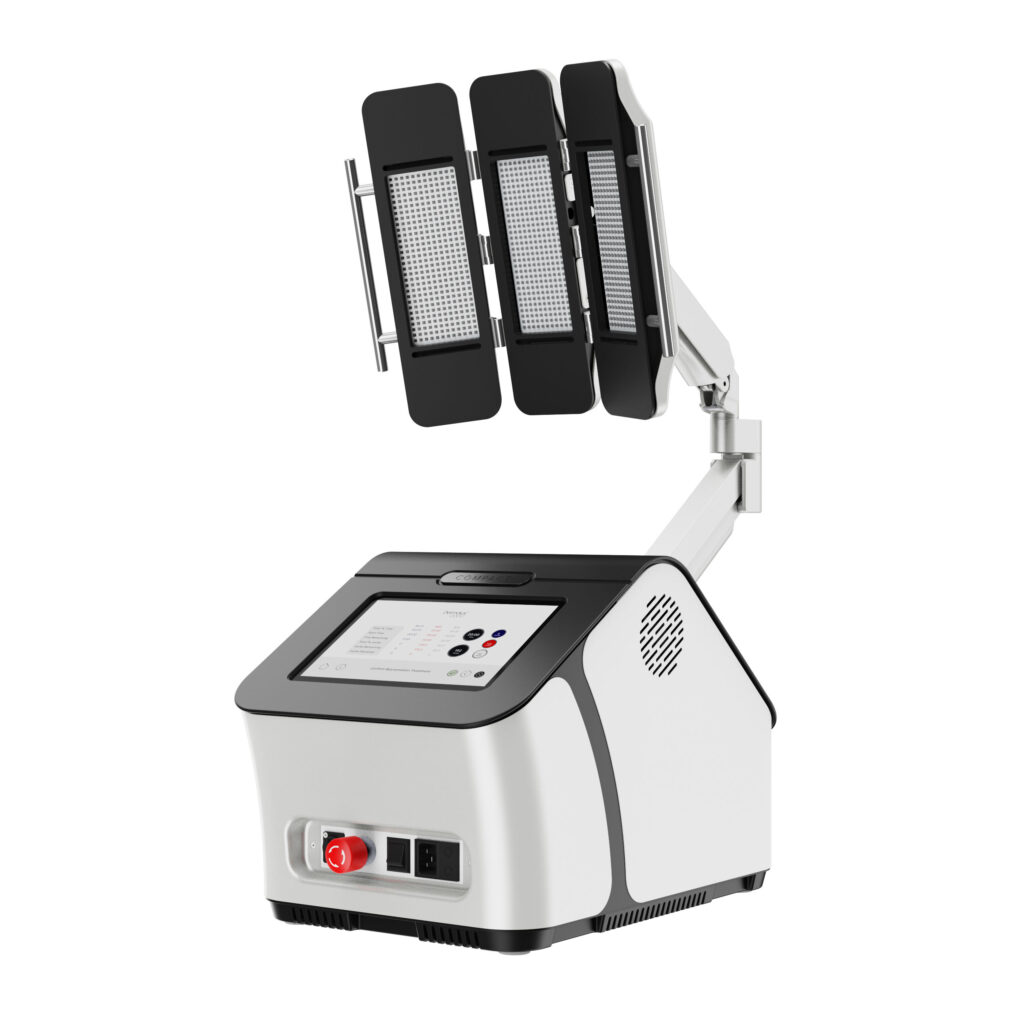
Clinical-grade light therapy with the Dermalux Compact Lite
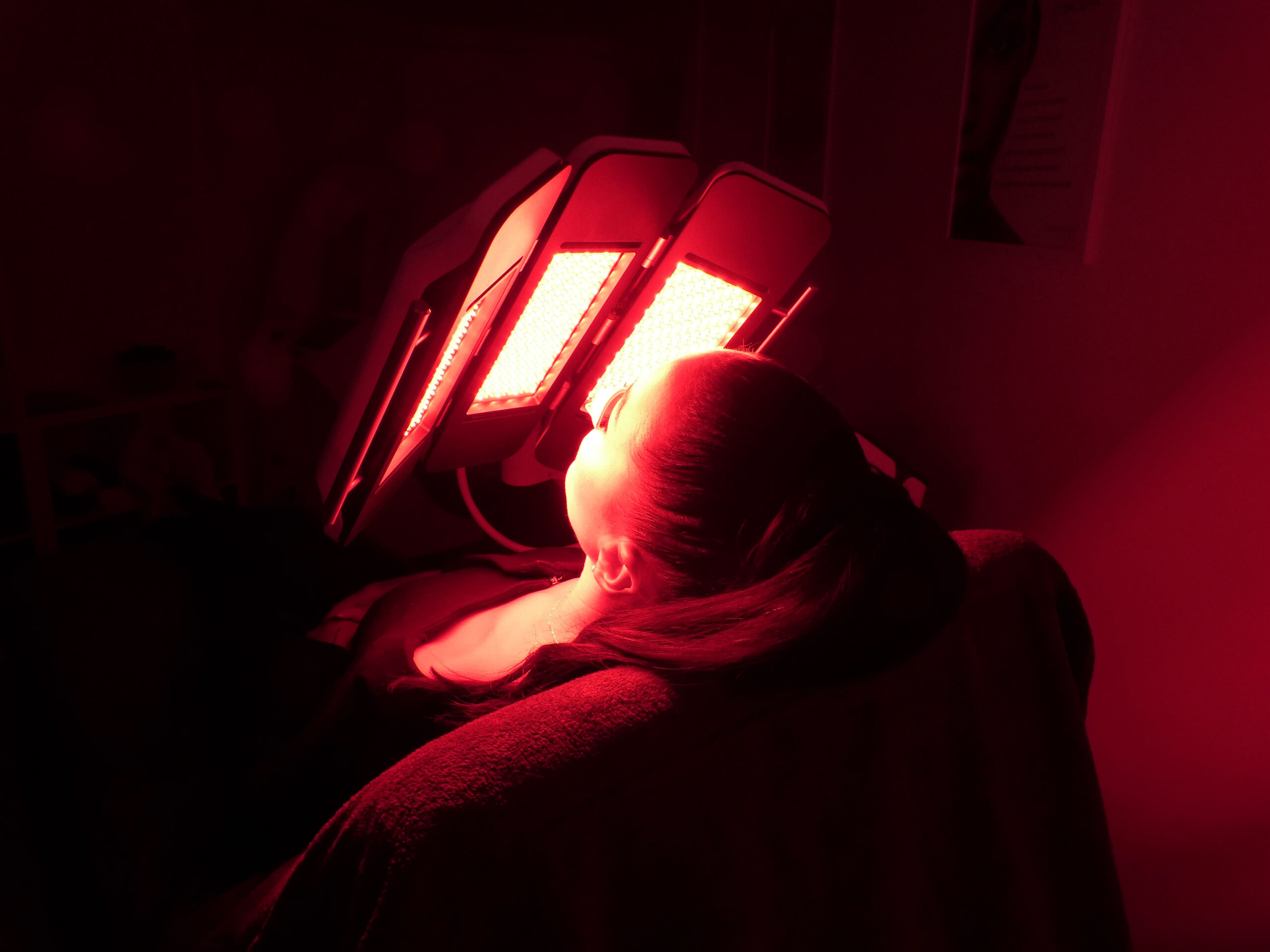
LED Light Therapy uses specific wavelengths of light to support cellular repair, reduce inflammation and accelerate skin recovery. We use the Dermalux Compact Lite, a professional-grade, clinically-validated platform delivering up to 140 joules across three of the most evidence-supported wavelengths in light therapy. On its own, it's a calm, restorative treatment with no downtime. Paired with other treatments, it's the supportive step that amplifies almost everything we do.
From
£40
Downtime
None
Session
20 min
Areas
Face · Neck · Body
Results
2 - 4 Weeks
Introduction
Light therapy, properly explained
LED Light Therapy uses specific wavelengths of visible and near-infrared light to influence cellular activity in the skin. Different wavelengths produce different biological effects: red and near-infrared light support cellular energy production and tissue repair; blue light targets the bacteria that contribute to inflammatory acne.
It's been used in clinical and aesthetic settings for over two decades, with substantial published evidence supporting its use in wound healing, acne management, post-procedure recovery and general skin quality work. NASA first studied LED for tissue repair in astronauts; it has since become one of the most widely-adopted supportive treatments in dermatology and aesthetics.
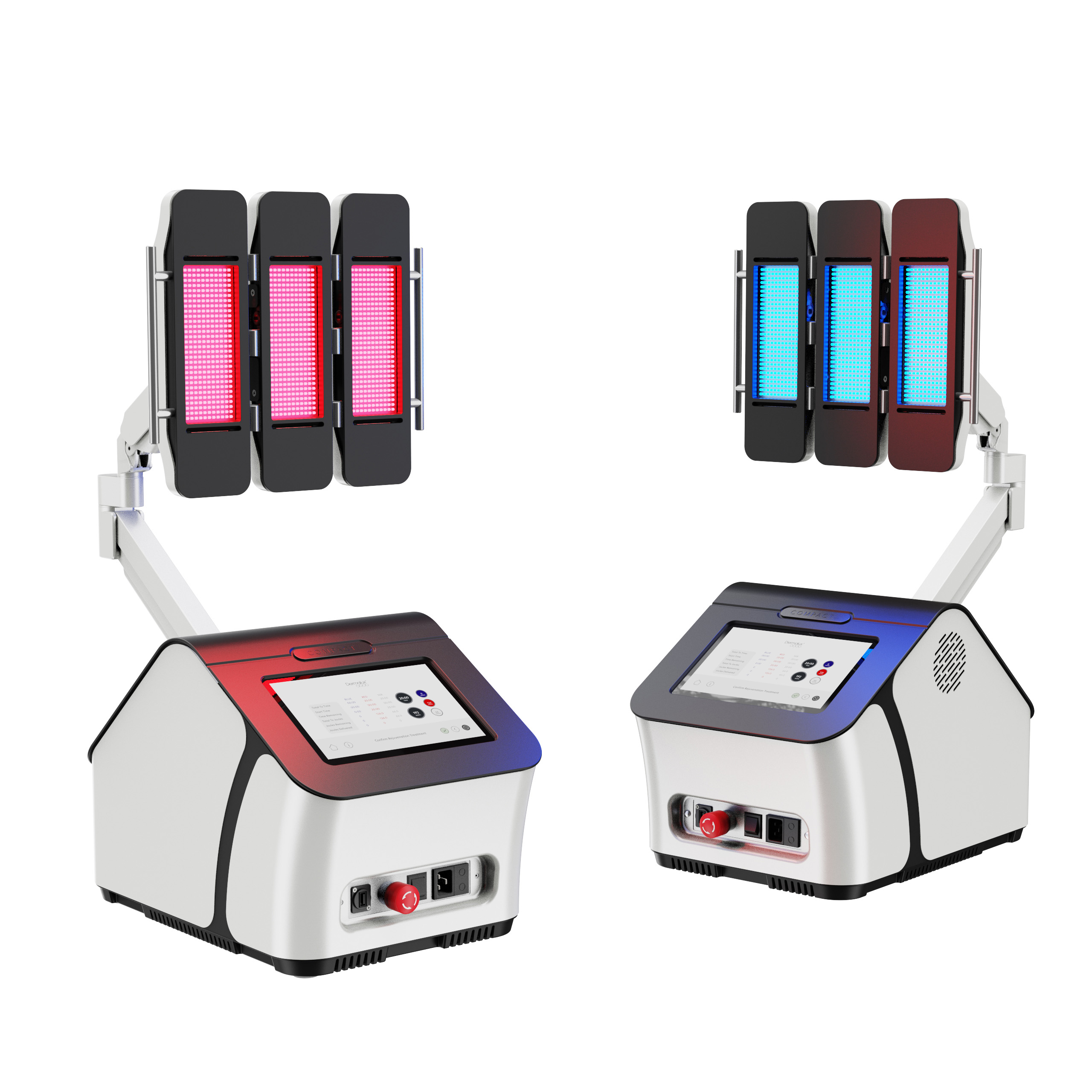
At AEOM, we use the Dermalux Compact Lite, a UK-manufactured professional LED platform considered one of the leading clinical devices in the category. The specifications matter: the Compact Lite delivers up to 140 joules of light energy across three precision wavelengths (Blue 415nm, Red 633nm, Near-Infrared 830nm), with treatment times from 1 to 20 minutes and adjustable positioning for face and body use. This is significantly more powerful and precise than consumer LED devices, and significantly more versatile than older clinical LED panels.
We use the Dermalux Compact Lite for two reasons: as a standalone treatment for patients dealing with acne, inflammation, or post-procedure recovery; and more often, as the supportive step alongside microneedling, JetPeel, Sofwave and PRP, where the cellular and recovery benefits compound the work happening in the primary treatment.
HOW IT WORKS
The science, briefly
Specific wavelengths of light penetrate the skin to different depths and trigger different cellular responses. The Dermalux Compact Lite delivers the three most evidence-supported wavelengths in clinical LED therapy.
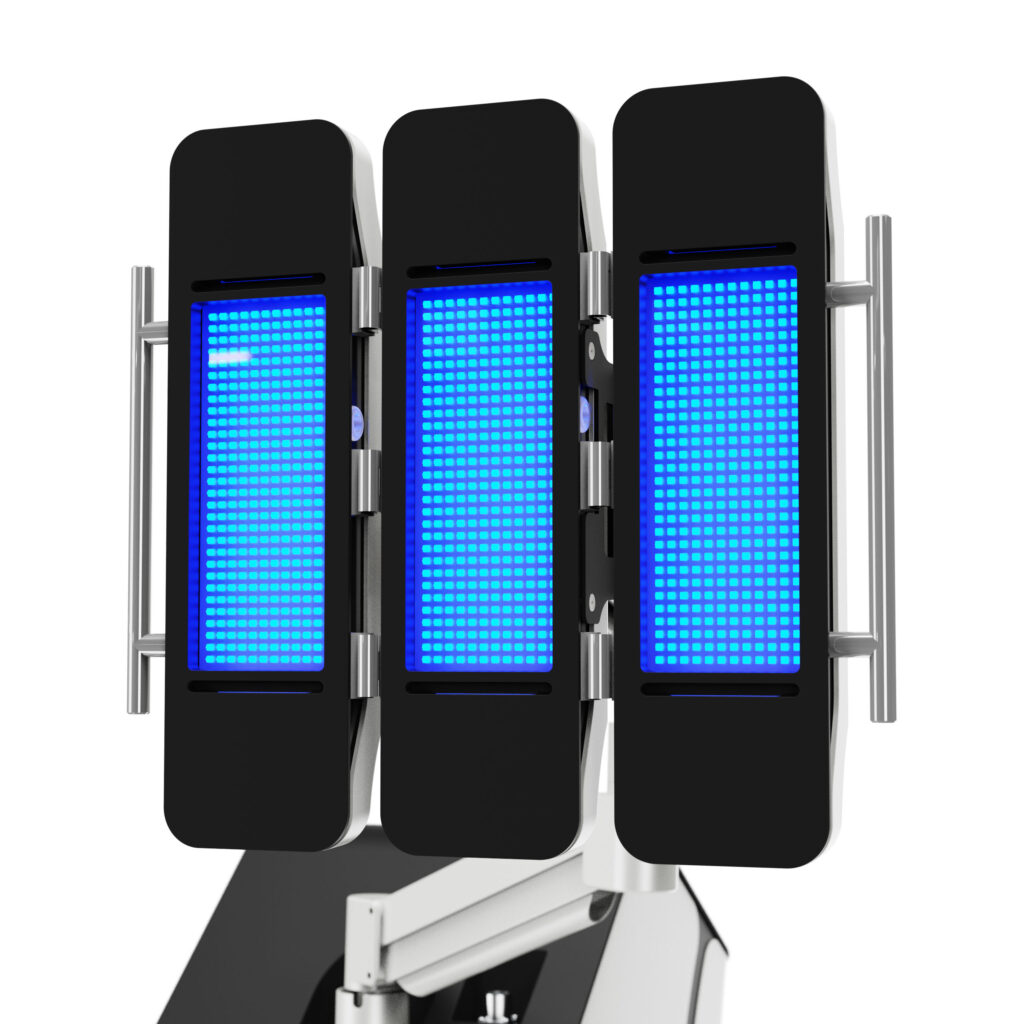
Blue Light — 415nm
Works at the skin surface. Targets Cutibacterium acnes, the bacterial species involved in inflammatory acne, and supports skin barrier function. The clinical evidence for blue light in inflammatory acne management is the strongest of any LED wavelength.
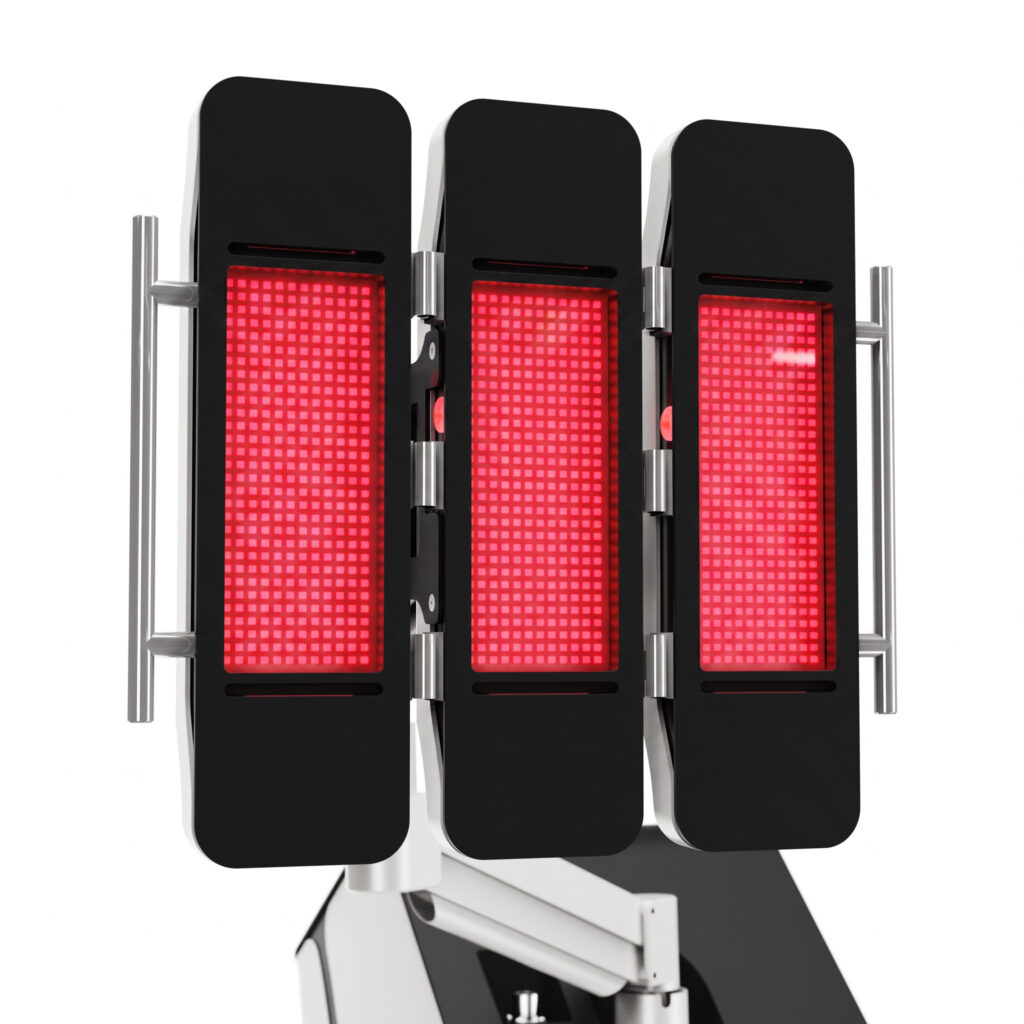
Red Light — 633nm
Penetrates the upper dermis. Supports fibroblast activity, collagen production and general skin quality. Has anti-inflammatory effects that benefit reactive and rosacea-prone skin. The most-used wavelength in anti-ageing and post-procedure recovery protocols.
Near-Infrared — 830nm
Penetrates deeper into the dermis and into underlying tissue. Supports cellular energy production through stimulation of mitochondrial function, increasing ATP availability in skin and tissue cells, which accelerates repair and reduces inflammation. Particularly important for post-procedure recovery, body applications and deeper regenerative support.
The mechanism is photobiomodulation, light influencing cellular behaviour without producing heat damage. Unlike laser treatments, LED therapy doesn't ablate, damage or "treat" the skin in any aggressive sense. It supports the skin's own biological activity to work more efficiently. Which is why it pairs so well with treatments that do produce controlled damage: it accelerates recovery and amplifies regenerative response.
The Compact Lite's 140-joule maximum output and 116 mW peak intensity allow proper clinical-grade dosing, significantly higher than the energy outputs of consumer LED panels and masks, which is why clinical sessions produce results that home devices typically can't match for active treatment.
WHO IT'S FOR
Who LED Light Therapy is right for
LED Light Therapy is well-suited if you are:
Recovering from a recent treatment — microneedling, Sofwave, PRP, peels — where supporting cellular repair shortens downtime and improves outcome
Dealing with active mild-to-moderate inflammatory acne — blue light in particular has strong clinical evidence for inflammatory acne management
Experiencing post-procedure redness, inflammation or sensitivity
Managing rosacea-prone or reactive skin — red and near-infrared wavelengths have anti-inflammatory effects that support these conditions
Building a long-term skin maintenance plan and looking for low-impact supportive treatments between bigger interventions
Sensitive to more aggressive treatments and wanting a gentle, well-tolerated option
A member or patient on an active programme — LED is built into most of our skin programmes
Looking for body treatment — including post-Sofwave body recovery, post-microneedling body work, or general body skin support
Looking for treatment with no downtime and no commitment — LED is one of the lowest-friction aesthetic treatments available
LED Light Therapy may not be the right standalone treatment if:
You're looking for dramatic transformation from a single treatment — LED doesn't produce that, particularly as a standalone
You're focused on structural change (laxity, lifting, volume) — these need different treatments entirely
You have active skin cancer or recent skin cancer treatment in the area — speak to us at consultation
You're taking photosensitising medications (certain antibiotics, isotretinoin, some heart medications) — speak to us at consultation
You have active herpes simplex in the treatment area
You have active herpes simplex in the treatment area
WHAT TO EXPECT
Before, during and after
Before
Consultation & assessment
No specific preparation is required. Arrive with clean skin, no makeup. If you're using prescription retinoids or topical treatments that increase photosensitivity, mention this at consultation — we may adjust the protocol or recommend pausing the product for 24 hours before treatment.
During
The session
The treatment is genuinely unremarkable in the best way.
The Compact Lite's adjustable panel positioning means we can target the face, neck, décolletage or body area effectively, and the panel is positioned at the optimal distance for clinical dose delivery, not just held above the area generically.
The light feels warm and gentle on the skin, no heat damage, no discomfort, no sensation other than mild warmth.
After
Recovery
Same day: Most patients describe skin feeling calmer, looking healthier, and feeling slightly hydrated. Makeup, normal activities, sun exposure (with normal SPF protection) all fine immediately after treatment.
24 hours: Most of the visible immediate effect has settled. For patients using LED as part of post-procedure recovery, the benefit is most apparent over the next 48–72 hours, as inflammation and redness from the primary treatment settle faster than they would without LED support.
RESULTS
What results actually look like
LED Light Therapy produces gradual, compounding improvements when used regularly, not dramatic single-session change. Most patients use it as part of a broader plan rather than as a standalone solution.
Accelerates recovery from other treatments — post-microneedling, post-Sofwave, post-PRP, post-peel. The visible reduction in redness and recovery time is one of LED's most reliable effects.
Reduces inflammation in skin generally — useful for reactive skin, post-illness flush, and stress-related skin changes
Supports acne management — particularly with blue light, in combination with appropriate skincare. Visible improvement in inflammatory acne typically over 4–8 weeks of regular sessions.
Maintains and supports collagen activity when used regularly — small, compounding contributions to skin quality over time
Calms reactive skin including rosacea-prone skin (with red/near-infrared protocols)
Supports body skin recovery following body treatments, exercise overload, or post-procedural work
BODY AND WELLNESS APPLICATIONS
Beyond the face
LED for body and recovery
The Dermalux Compact Lite's adjustable panel and 140-joule output make it as effective for body treatments as it is for face work. Body LED is a less-publicised but genuinely useful clinical application.
Décolletage — supporting skin quality and reducing chest-area sun damage signs
Back and shoulders — supporting body acne and post-acne recovery
Treatment-recovery sites — accelerating recovery after Sofwave body treatments, body microneedling, or surgical recovery (with surgeon approval)
Stretch marks and post-pregnancy skin — particularly when used alongside other body treatments
Sports recovery and inflammation — supporting tissue recovery after intensive training or injury (with appropriate medical context)
What LED won't do
LED is genuinely useful, but it isn't a transformative standalone treatment, and we'd rather you know that upfront.
It's a supportive treatment, not a primary one for most concerns. Single LED sessions produce modest immediate effects. The real value is in regular use over time, or in pairing with other treatments.
Home LED devices have their place, but not all of them. Consumer LED panels and masks have improved significantly, and a genuinely clinical-grade home device used consistently can deliver useful results for some patients. The challenge is identifying which devices are clinically meaningful versus which are wellness-grade.
The "miracle results" claims you'll see elsewhere are typically overstated. LED supports skin function; it doesn't fundamentally transform skin in single visits. Treat with appropriate expectations and it's an excellent, low-friction addition. Treat it as a solo solution for serious concerns and it disappoints.
LED COMPARED — HOW IT DIFFERS
Clinical LED vs
other light-based treatments
Dermalux Compact Lite vs Laser
Different mechanisms entirely. Lasers produce concentrated light energy that creates controlled tissue damage. ablative or non-ablative, to trigger regenerative response. LED produces gentle, diffuse light that supports cellular function without causing damage. Lasers are appropriate for specific clinical concerns (pigmentation, vascular lesions, hair removal); LED is appropriate for support, recovery and gentle ongoing work.
Dermalux Compact Lite vs Home LED Masks and Devices
The gap between clinical and consumer LED is meaningful and worth being honest about. The Compact Lite delivers up to 140 joules across precision-controlled wavelengths with a professional device positioned at optimal treatment distance. Premium consumer devices, typically deliver 5-20 joules per session at lower intensity, useful for ongoing maintenance, less effective for active treatment. Lower-priced consumer devices often deliver insufficient power output to produce clinical results. The advantage of clinical Dermalux sessions is power, precision and protocol, particularly for post-procedure use and active treatment phases.
Dermalux Compact Lite vs Other Clinical LED Brands
Dermalux, Omnilux and Healite are the three most-cited clinical LED brands in UK aesthetic medicine. The Compact Lite is Dermalux's professional-grade tabletop platform, delivering the same precision wavelengths and dosing capability as larger Dermalux floor-standing units, with the versatility of body and face positioning that some larger systems lack.
Dermalux Compact Lite vs Red Light "Beds" or Whole-Body Panels
Whole-body red light panels (often marketed as wellness or biohacking devices) work on similar photobiomodulation principles but deliver across the whole body rather than focused on facial skin. They have valid wellness applications (recovery, sleep, general inflammation) but are less precise for clinical skin work than dedicated facial LED. The Compact Lite's targeted positioning produces stronger clinical outcomes for specific concerns; whole-body panels work better for general wellness applications.
PRICING
LED Light Therapy pricing
Treatment
Price
Duration
Standalone LED Face Session
£65
20 minutes
Add-on to another treatment (same day)
£40
15–20 minutes
Body LED Session
£85
20 minutes
Course of 6 (face)
£325
20 minutes per session
Course of 6 (body)
£425
20 minutes per session
As part of a Programme: LED Light Therapy is included as standard in our skin and wellness programmes. The supporting role LED plays across programmes is one of the reasons programmes deliver meaningfully better outcomes than booking individual treatments.
Membership: Foundation and Optimisation members receive complimentary LED sessions as part of their monthly inclusions. Speak to us about membership at consultation.
COMBINE WITH
Treatments LED combines well with
LED's primary value is supportive — and almost everything in the aesthetic toolkit benefits from being paired with it.
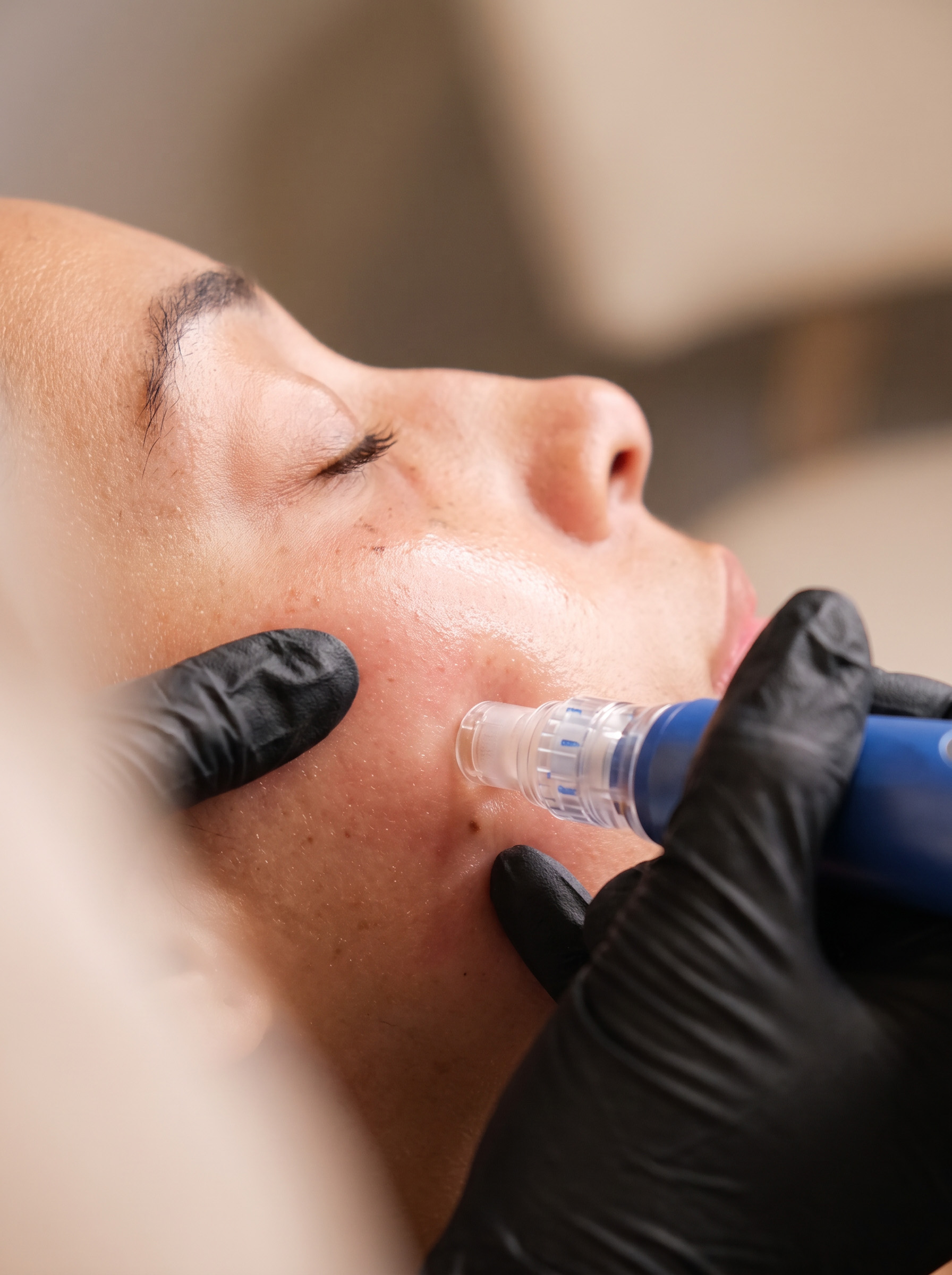
SkinPen Elite Microneedling
LED applied immediately after microneedling reduces inflammation, accelerates recovery and supports the regenerative response. The combination is standard in our Collagen Rebuild programme.
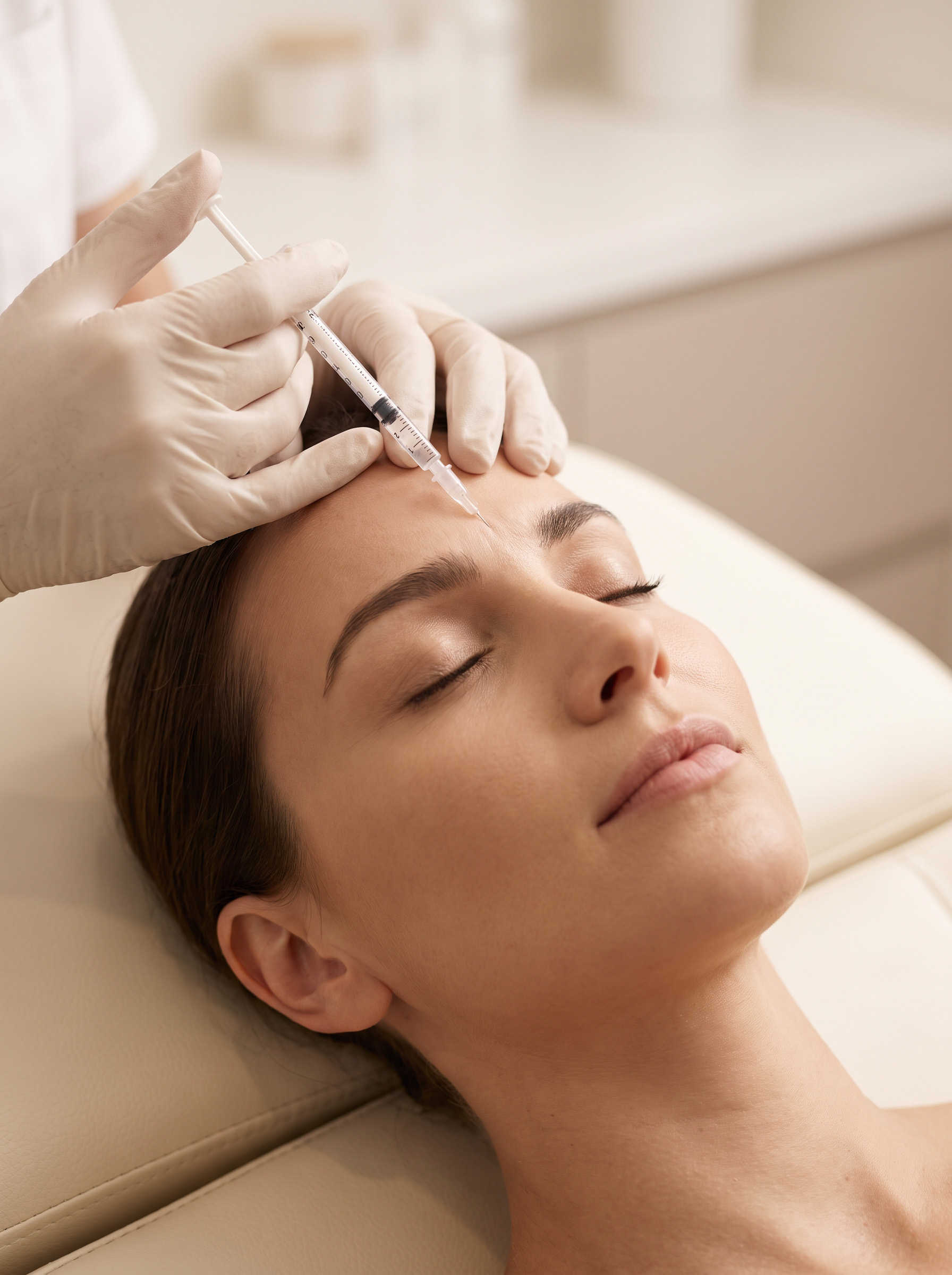
Anti-Wrinkle Injections
LED is non-interactive with anti-wrinkle injections (Botox) and can be safely delivered on the same day or in following sessions.
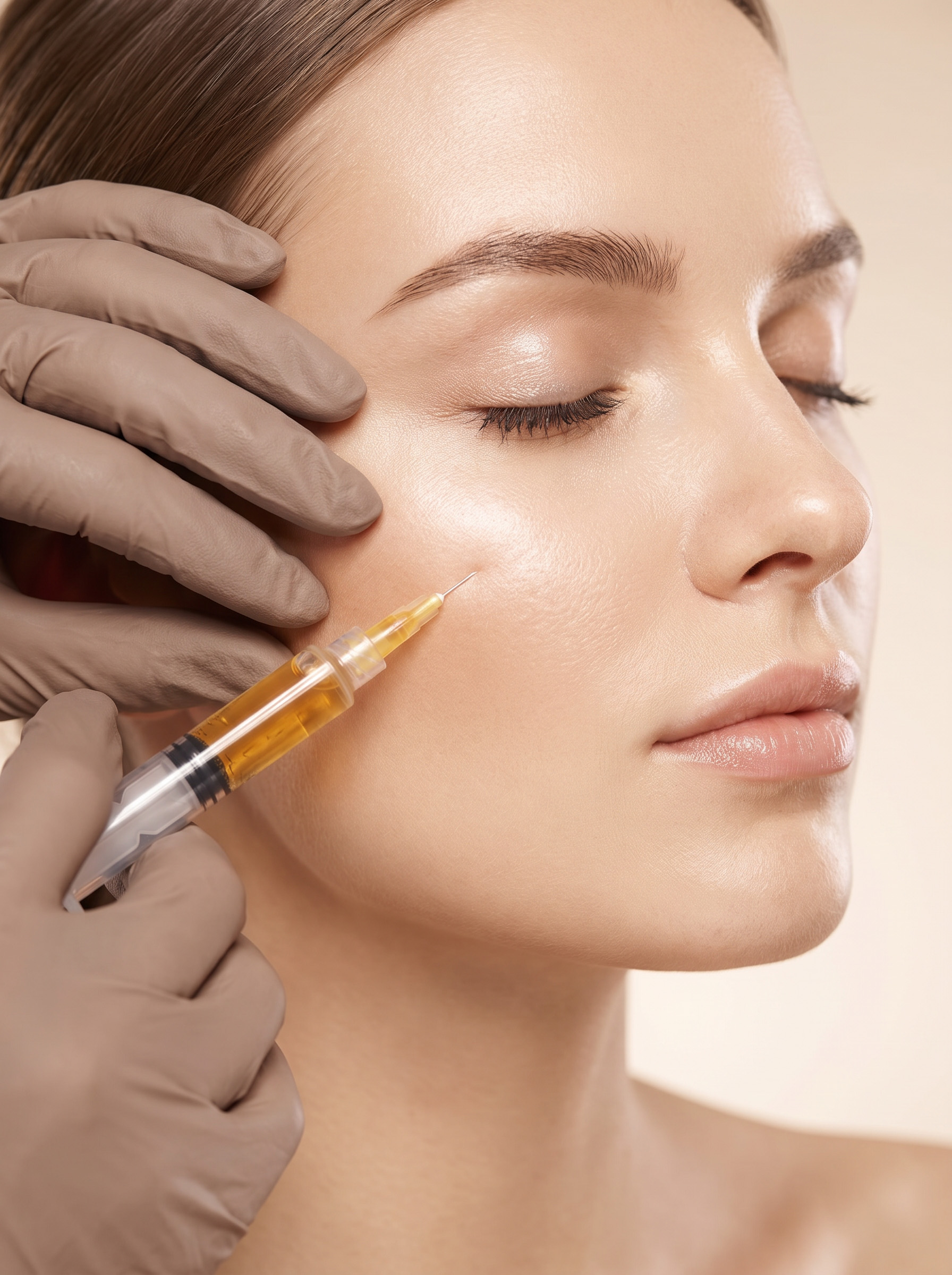
Platelet-Rich-Plasma
LED after PRP supports skin recovery from injection sites and amplifies the regenerative effects of the treatment.
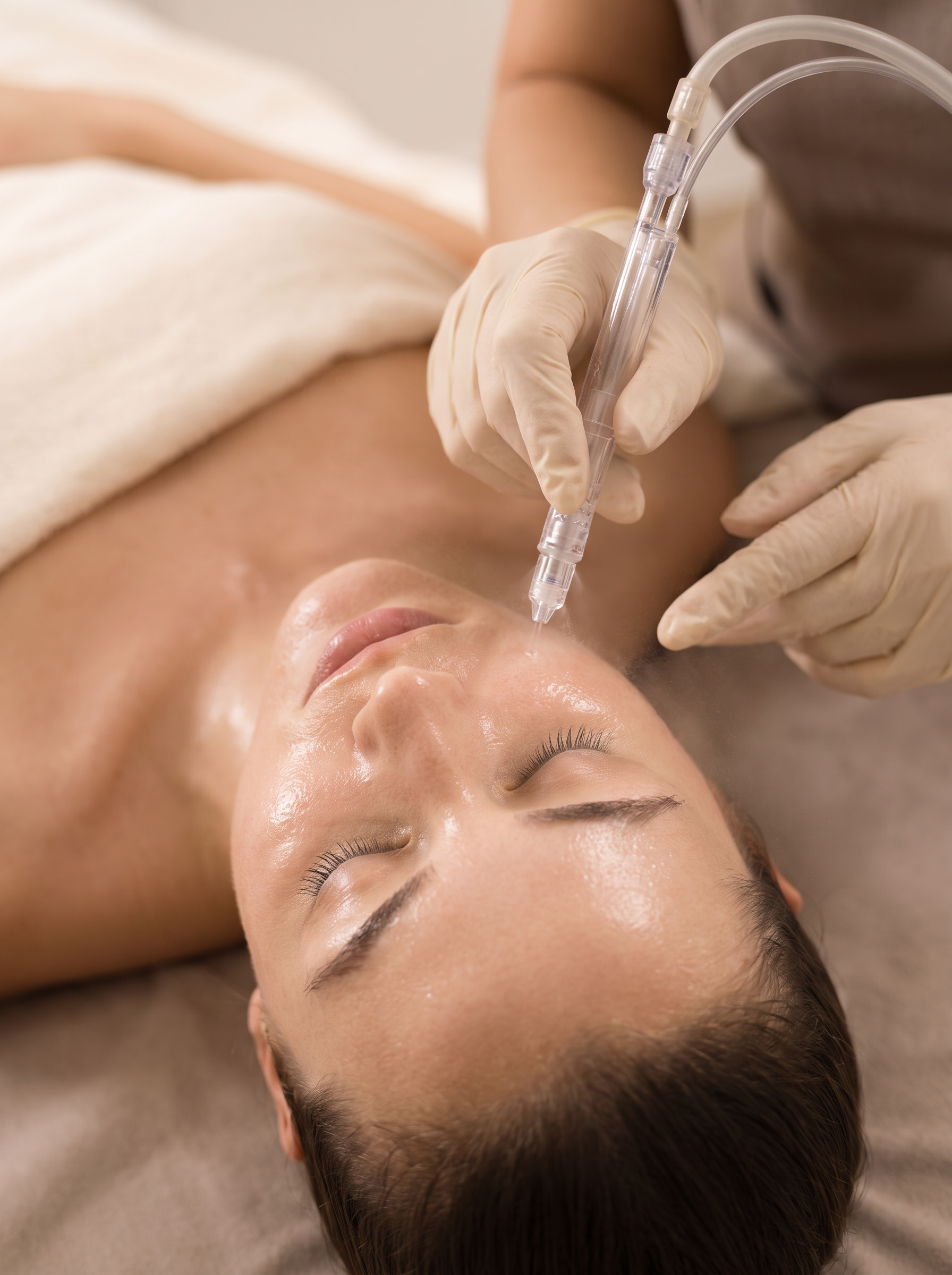
JetPeel
LED after JetPeel enhances active ingredient absorption and supports skin recovery. Built into the Glow Reset programme as a same-day pairing.
Frequently asked questions
What device do you use for LED therapy?
We use the Dermalux Compact Lite — a UK-manufactured professional LED platform considered one of the leading clinical devices in the category. It delivers up to 140 joules across three clinically-proven wavelengths (Blue 415nm, Red 633nm, Near-Infrared 830nm) with adjustable panel positioning for face and body use. The specification matters because clinical outcomes from LED depend significantly on device power, wavelength precision and dosing — areas where the Compact Lite is meaningfully ahead of consumer devices and many older clinical systems.
Does LED actually do anything?
It seems too gentle to be effective. This is a fair question and we'll answer it directly. LED produces meaningful, evidence-supported effects on skin — particularly in inflammation reduction, post-procedure recovery, mild-to-moderate acne management, and cellular activity support. The published clinical evidence is substantial. But LED's effects are modest per session and compound over time. Patients expecting transformation from a single LED session are disappointed; patients using it appropriately — as recovery support, as part of a programme, or as regular ongoing maintenance — find it genuinely valuable. The right way to think about LED is as a high-evidence supportive treatment, not as a hero treatment.
Will LED help my acne?
For inflammatory acne (red, raised, sometimes painful spots), the blue light (415nm) wavelength on the Compact Lite has the strongest clinical evidence of any LED wavelength. A course of 6 weekly sessions, in combination with appropriate skincare, typically produces visible improvement. For severe or cystic acne, LED is part of the answer but not the whole answer — we'd discuss alternative or combination treatment routes at consultation. For non-inflammatory acne (blackheads, congestion), the JetPeel with appropriate exfoliation protocols is typically more effective.
Can I have LED if I'm pregnant?
Yes — LED is one of the few aesthetic treatments that's generally considered safe during pregnancy. We follow caution and would discuss with you at consultation, particularly around the specific wavelengths used. Many patients use LED through pregnancy to support skin during a period when most other aesthetic treatments are off the table.
Can LED treat my rosacea?
LED — particularly the red (633nm) and near-infrared (830nm) wavelengths on the Compact Lite — has supportive effects in rosacea-prone skin, reducing inflammation and calming reactive skin. It's not a primary treatment for rosacea (which typically needs medical management) but is a useful supportive treatment for patients managing the condition. We'd discuss this in the context of your broader treatment plan, often alongside the Meder RED-APAX protocol.
Is LED safe for darker skin tones?
Yes — LED is one of the safest aesthetic treatments for all skin tones. Unlike many laser treatments which can cause post-inflammatory pigmentation in darker skin, LED produces no heat damage and no risk of pigmentation change. This is one of LED's significant clinical advantages.
Can I use LED at home instead?
Possibly. Premium consumer LED devices (Omnilux Contour, CurrentBody Skin LED, Lyma, Dermalux Flex MD) can deliver useful results when used consistently. Lower-priced home devices typically deliver insufficient power output to produce clinical results. The Compact Lite's 140-joule output and 116 mW peak intensity are meaningfully higher than most home devices — particularly for active treatment phases. If you're considering investing in a home device, ask us at consultation — we'll be honest about which are worth the money and how they compare to clinical sessions. Many patients use both: clinical sessions during active treatment phases, home device for ongoing maintenance.
How many sessions do I need?
Depends on what you're using LED for. As a standalone treatment for acne or inflammation: a course of 6 weekly sessions, then maintenance. As a supportive treatment alongside other procedures: typically integrated into the programme as standard. As ongoing maintenance: monthly or fortnightly sessions, depending on goals.
Can I have LED on the same day as another treatment?
Yes — LED is non-interactive with virtually all other treatments and is frequently delivered on the same day. We typically deliver it as a closing step after another treatment (microneedling, JetPeel, PRP, Sofwave) to support recovery. The add-on price applies when LED is delivered on the same day as another paid treatment.
Can I have LED on my body?
Yes — the Dermalux Compact Lite's adjustable panel and 140-joule output make it as effective for body treatments as for face. Body LED is particularly useful for body acne (back, shoulders, chest), post-treatment recovery from body Sofwave or body microneedling, and general body skin support. Body LED sessions are £85 standalone, or available as a preferentially-priced add-on to body treatments.
Are there any side effects?
Almost none. Mild warmth on the skin during treatment; very occasional brief redness for 15–30 minutes after. Patients with photosensitivity conditions, those taking photosensitising medications, or with active herpes simplex in the treatment area should mention these at consultation. Beyond these, LED has one of the best safety profiles in aesthetic treatment.
Will LED affect my makeup or skincare routine?
No — you can wear makeup immediately after LED. There's no skincare restriction following LED treatment. If you're using retinoids or strong actives, we may recommend a short pause before treatment, not after.
Where is AEOM located?
Our clinic is at 116 Seymour Place in Marylebone, London.
Marylebone, Baker Street and Edgware Road stations are all under ten minutes on foot. Free street parking is available after 6.30pm, with paid bays on York Street nearby — daytime parking is reimbursed for treatments over £200. Treatments are by appointment only.
Ready to book LED Therapy?
LED Light Therapy with the Dermalux Compact Lite is one of the most evidence-supported supportive treatments in aesthetic medicine, best used as part of a broader plan, or as low-friction maintenance between bigger treatments. Book a session, or speak to our team about how LED fits into your broader skin care.