
Skin Treatment
Skin Boosters
Hydration and elasticity, delivered from within.
Skin boosters are injectable hyaluronic acid treatments designed to improve skin quality from within, addressing hydration, elasticity, density and overall skin tissue health. Crucially, they are not dermal fillers: they don't add volume or change facial structure. They work on how your skin behaves, not on how your face is shaped.
We use a small range of established bio-remodelling and skin-booster treatments, and we'll match the right one to your skin and your goals at consultation, the choice depends on your skin quality, the concern being addressed and the result you're after, not on a single brand.
From
£475
Downtime
Minimal - 24hrs
Session
30–60 min
Areas
Face · Neck · Body
Results
6 - 9 months
Introduction
Skin boosters, properly explained
The aesthetic industry sells too many things as "skin boosters"; gels, serums, IV drips, supplements, even oral collagen. In injectable aesthetics, the term means something specific: a hyaluronic acid-based product injected into the skin to improve skin tissue quality, hydration and elasticity. Not to lift, not to volumise, not to fill, but to genuinely change how the skin itself behaves and looks.
This distinction matters. Skin boosters are frequently confused with dermal fillers, but they work on different principles:
- Dermal fillers are placed at specific depths to add volume or reshape — building cheek projection, defining jawlines, plumping lips
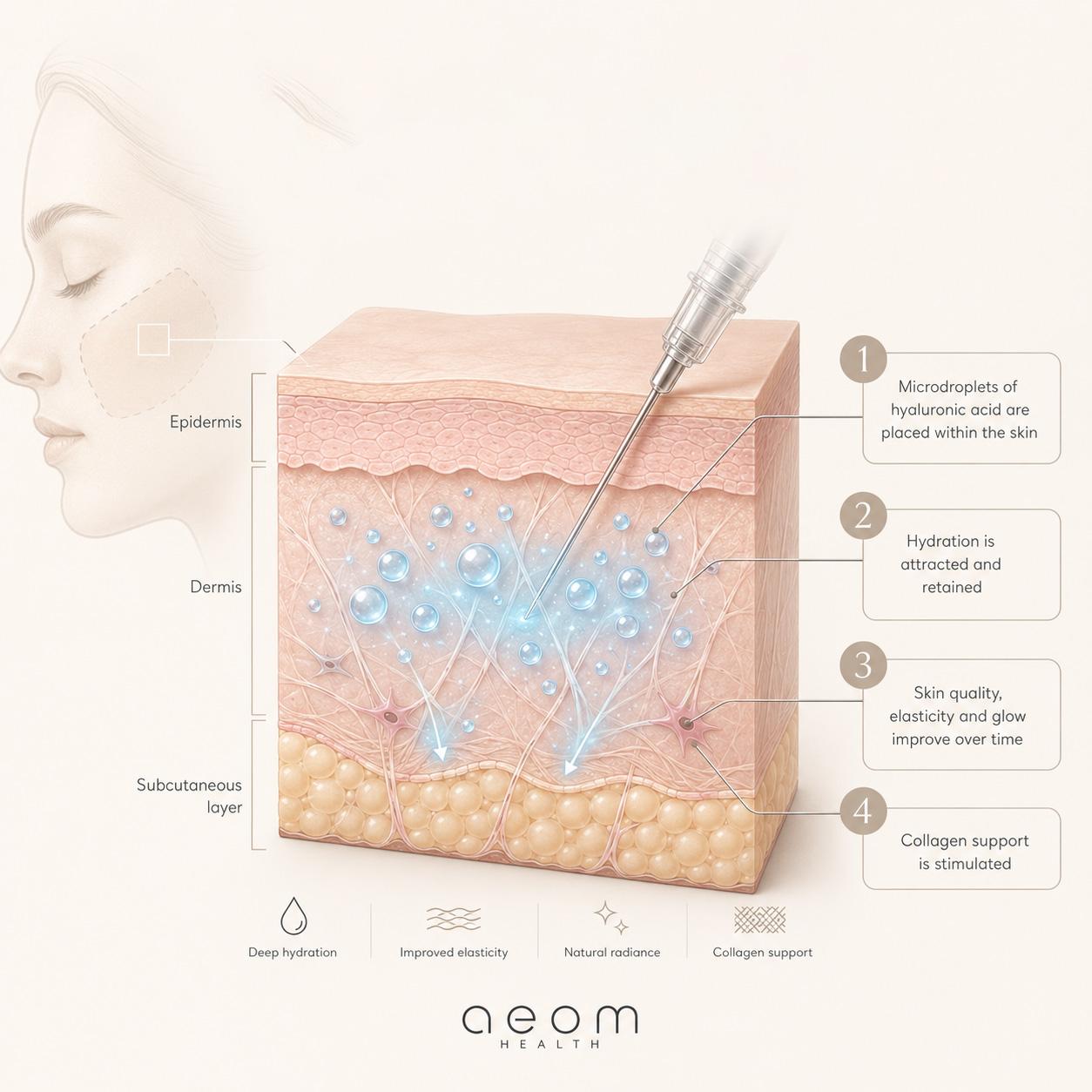
- Skin boosters are injected diffusely into the skin itself, where the hyaluronic acid integrates with skin tissue, stimulating fibroblasts and improving the overall quality of the skin matrix
At AEOM, skin boosters are one of our most-recommended treatments, particularly for patients in their 30s, 40s and 50s noticing the first signs of skin quality decline (loss of glow, fine crepiness on the neck, slower-looking décolletage), and for patients building a long-term skin care plan that doesn't rely on volumising injectables.
The science, briefly
Hyaluronic acid is a naturally-occurring component of human skin, it is responsible for the skin's hydration, plumpness and resilience. Your skin's natural hyaluronic acid content declines progressively from your mid-20s onwards, contributing to dehydration, loss of elasticity, fine lines and the visible "thinning" that becomes apparent in your 30s and 40s.
Skin boosters replace and stimulate hyaluronic acid in two ways:
Direct hydration The injected hyaluronic acid binds water within the skin tissue itself, immediately improving hydration, plumpness and surface texture. This is the more obvious mechanism and the reason skin looks visibly different within 2–3 weeks of treatment.
Stimulation of fibroblasts This is the more substantive mechanism, and the reason skin boosters work as long-term skin quality treatments rather than temporary hydration shots. The hyaluronic acid, particularly the bio-remodelling formulations like Profhilo, signals to fibroblasts, the skin cells responsible for producing collagen and elastin, to become more active. Over the weeks following treatment, this produces measurably more collagen, more elastin and better-quality skin matrix, not just better-hydrated skin, but better skin.
The combination of immediate hydration plus weeks of compounded fibroblast stimulation is what produces visible change. By the time the injected hyaluronic acid has fully metabolised, typically 6 months, your own skin has improved and that improvement persists meaningfully beyond the active treatment window.
WHO IT'S FOR
Who skin boosters are right for
Skin boosters are well-suited if you are:
In your 30s, 40s or 50s noticing the first signs of skin quality decline — loss of glow, fine crepiness, slower-looking skin
Dealing with dehydration, dullness, or a general "tired-looking" complexion
Concerned about fine lines and early crepiness — particularly on the neck and décolletage
Wanting to invest in long-term skin quality without committing to deeper regenerative work
Building a considered skin care plan that doesn't rely on volumising fillers
Looking for treatment on the neck, décolletage or hands — areas where most other treatments don't work well
Considering filler but uncertain — skin boosters are often the more appropriate answer
Recovering from post-illness or post-stress skin changes, where skin quality has visibly declined
Skin boosters may not be the right treatment if you have:
Severe skin laxity — Sofwave or surgical intervention is more appropriate
Active acne or breakouts in the treatment area — wait until skin is calm
Active skin infections including cold sores in the treatment area
Significant volume loss that's the primary concern — fillers may be more appropriate (we'd discuss honestly)
Bleeding disorders or active blood-thinning medication — speak to us at consultation
History of keloid scarring at injection points
Pregnancy or breastfeeding — skin boosters are not delivered during pregnancy
Known hyaluronic acid allergy — extremely rare but a contraindication if confirmed
WHAT TO EXPECT
Before, during and after
Before
Consultation & assessment
Every skin booster patient begins with a consultation where we identify the right treatment, the right area and the right protocol for your skin. For first-time patients we typically include Observ 520x imaging as a baseline, so we can measure the change objectively.
Preparation: avoid blood-thinning supplements (high-dose Vitamin E, fish oil, garlic supplements) for 48 hours beforehand if comfortable; avoid alcohol for 24 hours before; avoid ibuprofen or aspirin for 48 hours unless medically necessary; and come with clean skin, no makeup.
During
The session
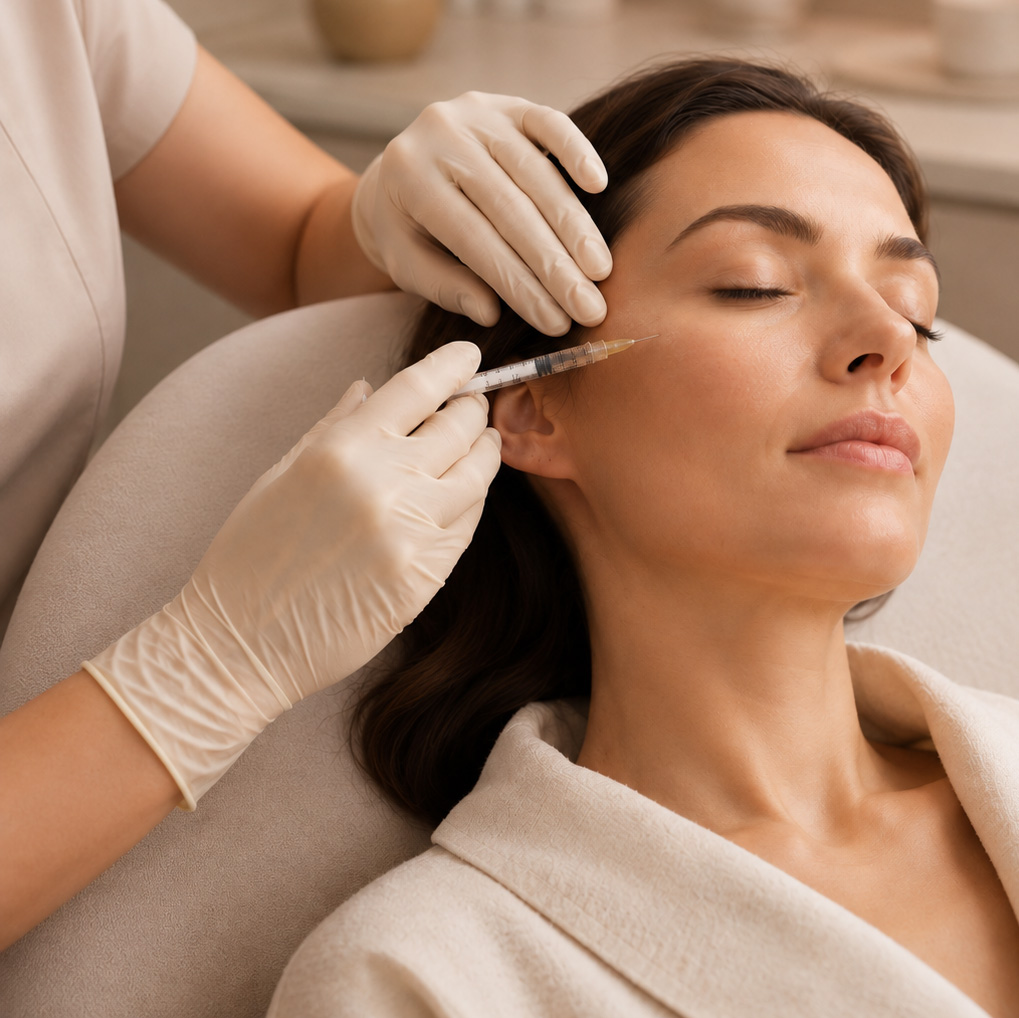
The treatment takes around 30 minutes. We cleanse and map the treatment area, apply numbing cream, then deliver a series of injections either at a small number of precise points across the face, or as multiple micro-injections across the area, depending on the treatment and the plan agreed at consultation. It's well-tolerated: most patients describe a small sharp pinch at each point, with mild discomfort that settles quickly, and the numbing cream makes it comfortable for most.
After
Recovery
Small raised bumps at each injection site are normal immediately afterwards, expected, firm but not painful and flatten as the hyaluronic acid spreads through the tissue over the following 12–24 hours. Mild swelling or slight redness is normal, and minor bruising at one or two sites is possible. By 48 hours most visible signs have settled; the skin may simply feel a little tight or "different" at first. Within a week the area looks normal and early hydration improvements begin to show.
Because skin boosters work gradually, the fuller result builds over the following weeks. Where a course is planned, the next session usually falls at around 2–4 weeks, with peak results visible after the course completes, with the skin more hydrated, smoother, and with improved elasticity and overall quality.
RESULTS
What results actually look like
Skin booster results are notable but subtle. Patients don't dramatically look different, they look like themselves, but healthier, more rested, more "in season." Friends and family often notice an improvement without identifying exactly what's changed.
Specific changes most patients see:
Visible improvement in skin hydration and glow
Smoother skin texture with reduced "crepiness"
Improved elasticity — particularly notable on the neck and décolletage
Subtle plumping without volume change
Reduced visibility of fine lines (not deep wrinkles)
More even skin tone
General "rested, healthier skin" appearance
Hand skin appears smoother, less prominent veining/tendons
What skin boosters won't do
Skin boosters work on skin quality. They have clear limits — and patients who arrive expecting them to do something else are disappointed.
They won't add volume or reshape the face
They won't lift skin or treat significant laxity
They won't address deep wrinkles
They won't permanently change skin
They won't fix everything at once
SKIN BOOSTERS COMPARED — HOW THEY DIFFER
Skin Boosters vs
other treatments
Skin Boosters vs Dermal Fillers
Different products, different purposes. Dermal fillers are placed at specific depths to add volume or reshape facial structure, building cheeks, jawlines, lips. Skin boosters are injected diffusely into the skin itself to improve skin tissue quality without changing facial shape. Patients sometimes do both, but they address fundamentally different concerns.
Skin Boosters vs PRP
Both are injectable regenerative treatments. PRP uses your own blood to deliver growth factors that stimulate skin regeneration; skin boosters use hyaluronic acid to hydrate and stimulate fibroblasts. Both work, neither is "better", they're complementary. Many patients on long-term skin plans use both, staged appropriately typically every 6 months for Skin boosers and PRP between.
Skin Boosters vs Microneedling
Different mechanisms again. Microneedling stimulates collagen through controlled micro-injury; skin boosters stimulate fibroblasts and improve skin matrix through HA infusion. They produce different but compatible outcomes. Combining them across a treatment plan, example Profhilo at month 1, microneedling at months 2 and 4, typically produces meaningfully better skin quality than either alone.
Skin Boosters vs IV Drips and Oral Supplements
IV drips and oral supplements work systemically, supporting overall skin nutrition. Skin boosters work locally, improving the quality of the skin tissue itself. IV and nutrient therapy work systemically, supporting the body's broader wellbeing and the internal conditions in which skin health is built. They address skin from different directions, one from within the tissue, one from within the body, and for many patients they work best together.
PRICING
Skin booster pricing
Treatment
Price
Single Treatment
£475
Course of 2 (recommended initial course)
£900
Maintenance Treatment (every 6 months)
£475
Treatment areas: Face is the most common. Neck, décolletage and hands are available at the same price points per area. Speak to us about combined-area packages.
COMBINE WITH
Treatments that combine well
with skin boosters
Sofwave
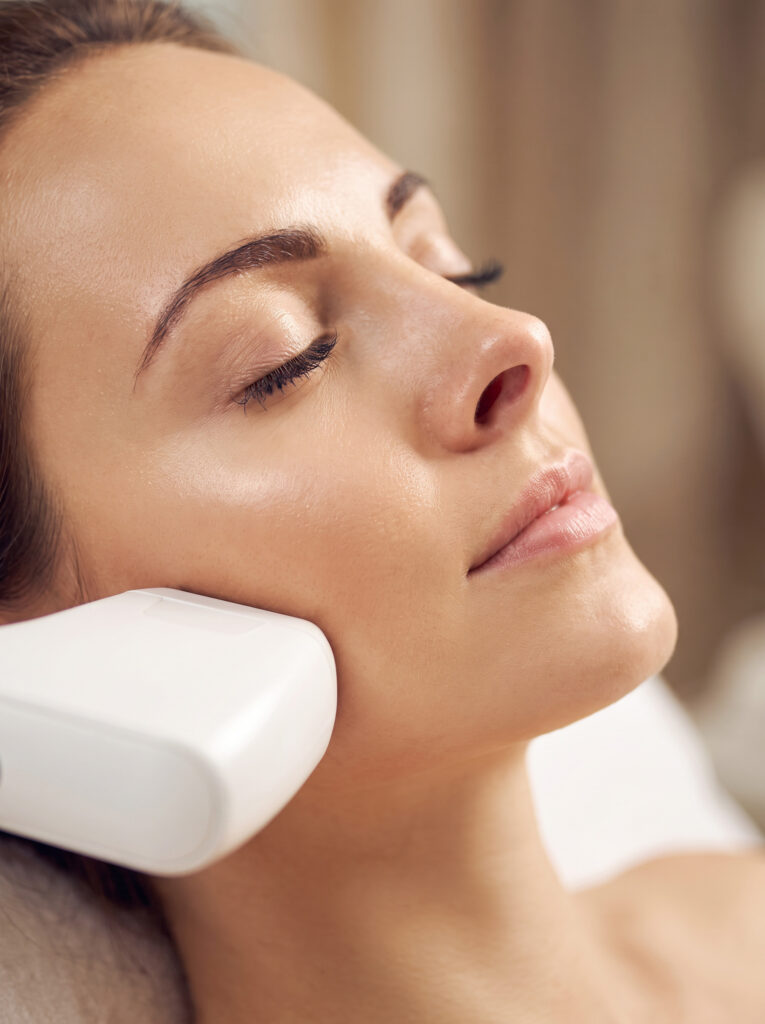
The strongest pairing for patients addressing both laxity and skin quality, a common picture from the mid-40s onwards. The two work at different levels: Sofwave stimulates collagen in the deeper layers to firm and tighten the skin's underlying structure, while skin boosters improve hydration, elasticity and tissue quality from within. Because Sofwave works gradually over three months and boosters build over a course, they're typically delivered 2–4 weeks apart, sequenced so each has room to work. Together they address firmness and skin quality in a way neither achieves alone.
SkinPen Elite Microneedling
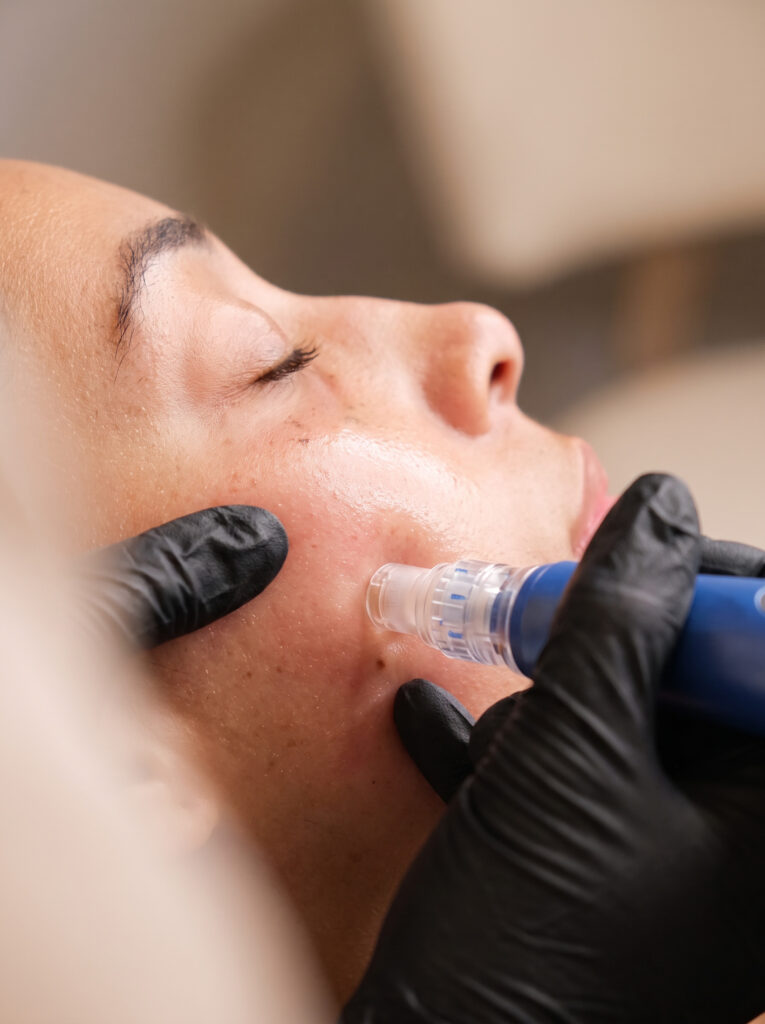
A genuinely complementary combination, because the two target different things. Skin boosters improve hydration and elasticity within the tissue; microneedling works on texture and collagen through controlled micro-injury. Staged 2–3 weeks apart, the effects compound with better-quality, better-hydrated skin alongside refined texture and tone. A strong pairing for patients building overall skin quality rather than treating a single concern.
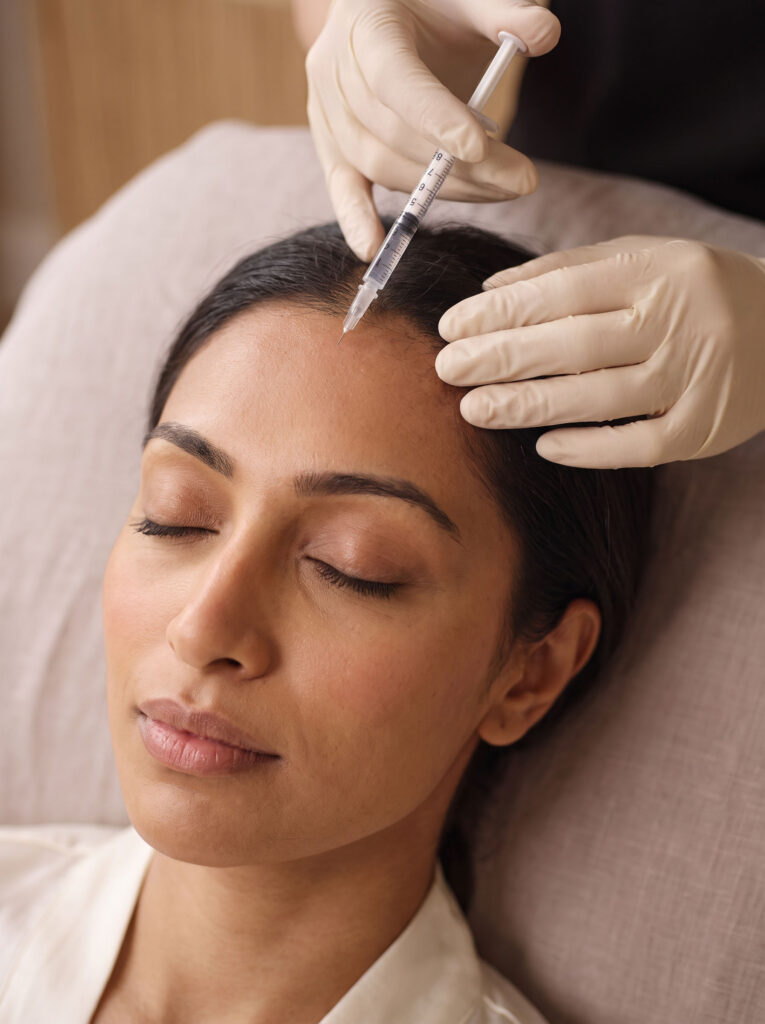
Anti-Wrinkle
One of the most common real-world combinations, because the two do entirely different jobs: skin boosters improve the quality and hydration of the skin itself, while anti-wrinkle softens the dynamic lines created by muscle movement. Treated together, usually staged around 2 weeks apart, they address skin quality and expression lines in one considered plan, for a result that looks refreshed rather than treated.
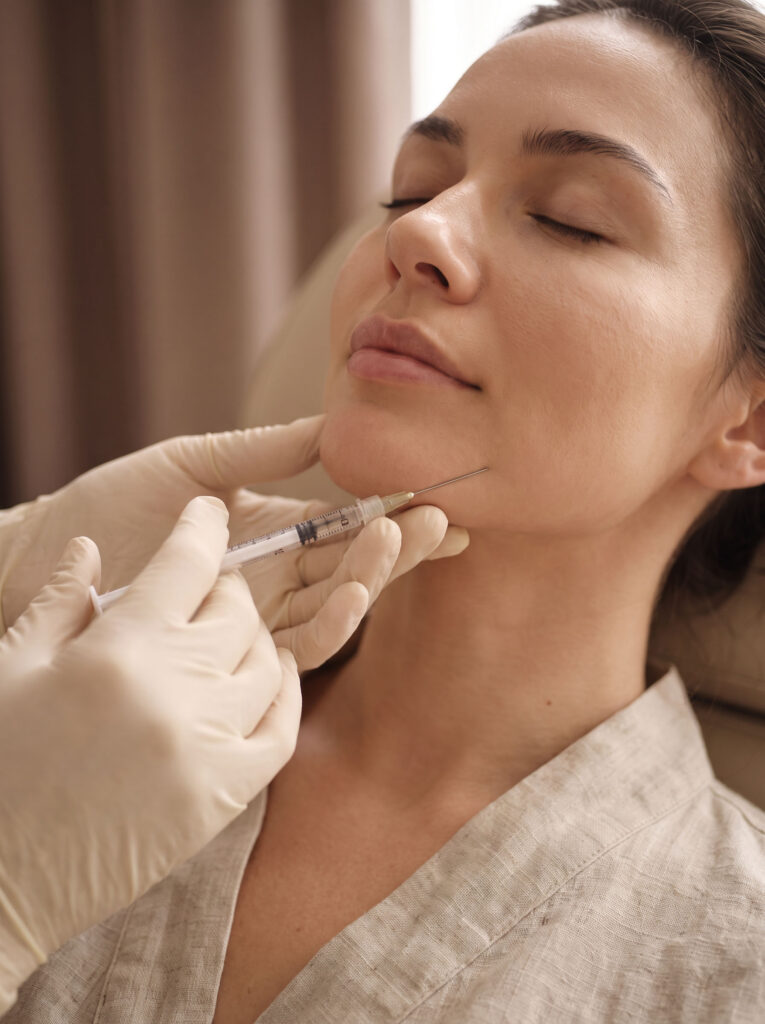
Dermal Filler
Filler and skin boosters are frequently confused, but they do genuinely different jobs, and used together they're complementary rather than competing. Filler restores volume and structure where it's been lost; skin boosters improve the quality, hydration and elasticity of the skin tissue itself, without adding volume. For patients who want both restored contour and better overall skin quality, the two work well in sequence, typically staged 2–4 weeks apart so each can settle and be assessed on its own.
Frequently asked questions
Are skin boosters the same as fillers?
No — and the difference matters. Dermal fillers are placed at specific depths to add volume or reshape facial structure. Skin boosters are injected diffusely into the skin to improve skin tissue quality — they don't add volume or change facial shape. Patients who arrive expecting cheek lift or jawline definition from a skin booster are disappointed; patients who arrive wanting better-quality skin without volumising are typically very happy. At consultation we'll discuss honestly which treatment category fits your goals.
Why does Profhilo cost more than Seventy Hyal 2000?
Profhilo uses NAHYCO® hybrid technology — combining high and low molecular weight hyaluronic acid in a stabilised formulation without chemical cross-linking.
The clinical evidence base is more established, the bio-remodelling effect is slightly more pronounced, and the product itself is more expensive. Seventy Hyal 2000 is an effective concentrated HA product at a more accessible price point — genuinely useful, just less premium. We offer both because patients have different budgets and different priorities.
Will I look "done" after Profhilo?
No — that's actually a defining feature of skin boosters. Because they don't add volume or reshape facial structure, the visible effect is subtle: better skin, not different face. Most patients describe friends and family noticing they look refreshed without identifying what's changed. If you want a more visible "lifted" or "plumped" look, skin boosters are not the right treatment — and we'll discuss alternatives honestly at consultation.
How long do skin booster results last?
Profhilo effects last approximately 6 months from a completed course.
Seventy Hyal 2000 effects last 4–6 months from a completed course. Most patients move to twice-yearly maintenance (Profhilo) or three-times-yearly maintenance (Seventy Hyal) after the initial course.
Is there downtime?
Minimal but real. Small visible bumps at each injection point persist for 12–24 hours — particularly visible with Profhilo's BAP technique (five distinct points per side). After 24 hours these have typically absorbed. Most patients return to work the next day, though we'd recommend avoiding makeup and heavy exercise for 24 hours.
Will I bruise?
Mild bruising at one or two injection sites is possible and typically settles within 5–7 days.
Bruising risk is reduced by following pre-treatment advice (avoiding blood-thinning supplements where possible). Significant bruising is uncommon but can happen — we'd recommend not scheduling skin boosters in the immediate run-up to a major event for this reason.
Can I have skin boosters on my neck or décolletage?
Yes — both are excellent treatment areas for skin boosters and produce particularly visible results because the skin in these areas is thinner and shows quality decline earlier than the face. Many patients have their first Profhilo or Seventy Hyal treatment in these areas rather than on the face, particularly if neck or décolletage crepiness is their main concern.
Can I have skin boosters on my hands?
Yes — hand treatments with Profhilo are increasingly popular, particularly for patients in their 40s onwards noticing hand skin changes (visible veins, tendons, thinning skin). Treatment is typically a single product per hand session, with effects lasting around 6 months.
Can I have skin boosters during pregnancy?
No — skin boosters are not delivered during pregnancy or breastfeeding. While the active ingredient (hyaluronic acid) is a naturally-occurring substance, we follow standard aesthetic protocol of not injecting during pregnancy.
Can I have skin boosters if I have fillers?
Yes — skin boosters and fillers work at different levels and address different concerns. Patients with existing fillers can absolutely have skin boosters, and there's no requirement to choose between them. We'd typically space the treatments 2–4 weeks apart for comfort, but they don't interact problematically.
Can I combine Profhilo with Seventy Hyal 2000?
We don't typically recommend running both products simultaneously.
For patients wanting maximum skin quality work, the more considered approach is usually to choose one (typically Profhilo) and add complementary treatments (microneedling, PRP, JetPeel) around it — rather than running two HA-based skin boosters in parallel.
How does this compare to my GP-prescribed skincare?
Skin boosters work at the dermal level via injection — fundamentally different to topical skincare which works at and just below the skin surface.
Strong topical skincare (retinoids, vitamin C, well-formulated SPF, hyaluronic acid serums) is foundational and absolutely complementary to skin boosters. Patients who use professional skincare consistently get better outcomes from skin boosters — we'd discuss this at consultation if relevant.
Where is AEOM located?
Our clinic is at 116 Seymour Place in Marylebone, London.
Marylebone, Baker Street and Edgware Road stations are all under ten minutes on foot. Free street parking is available after 6.30pm, with paid bays on York Street nearby — daytime parking is reimbursed for treatments over £200. Treatments are by appointment only.
Ready to discuss skin boosters?
Skin boosters are one of the most considered injectable treatments in aesthetics — but they require honest expectations and the right product choice for your specific concerns. Book a consultation and we'll guide you through Profhilo, Seventy Hyal 2000, or whether a different treatment route is more appropriate for what you're hoping to achieve.