
Skin Treatment
Dermal Fillers
Considered, restrained, used sparingly where they genuinely help
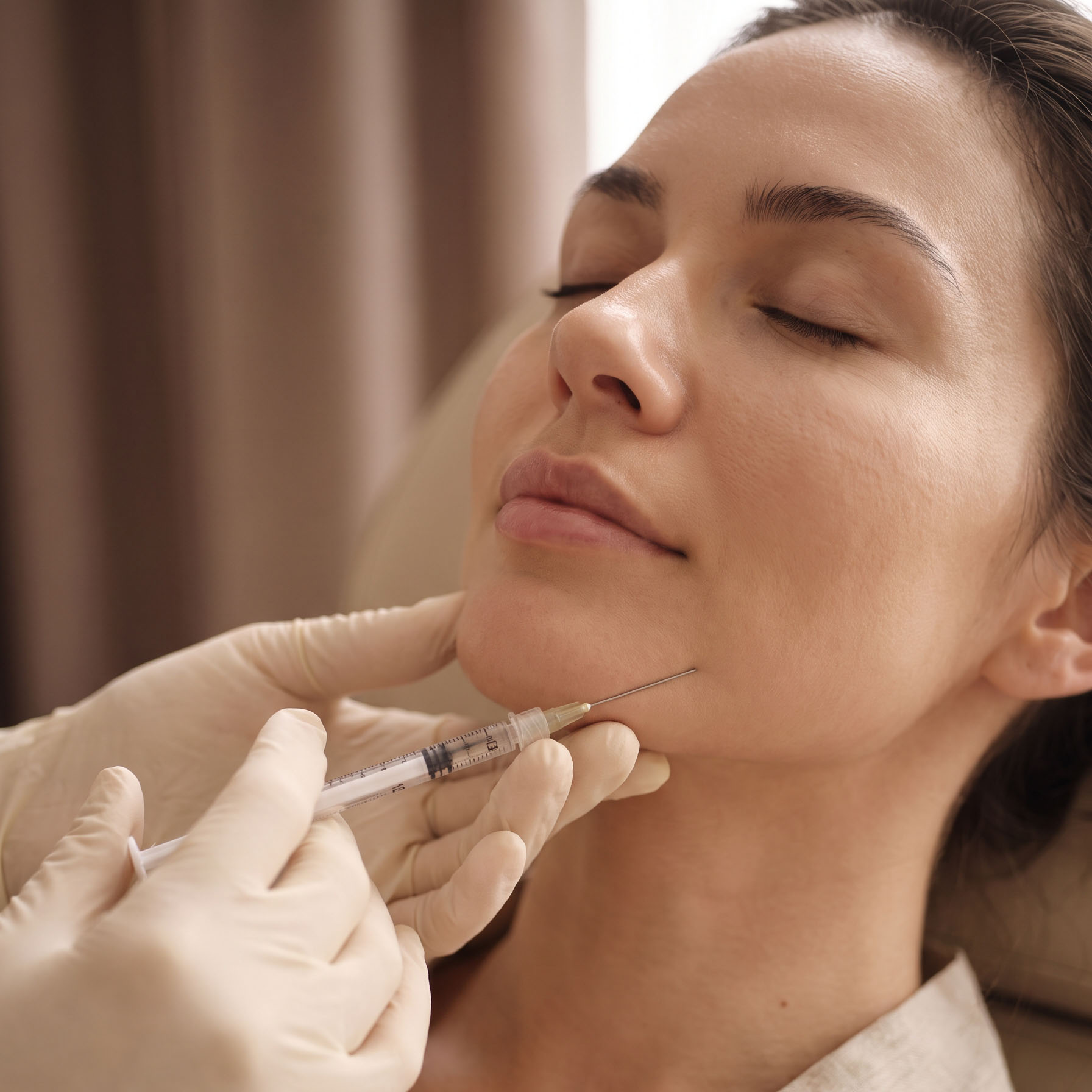
Dermal fillers are one of the most-requested aesthetic treatments and one of the most over-delivered. At AEOM we take a deliberately restrained position. We don't run filler promotions. We don't suggest fillers to patients who haven't asked. We don't treat lips on first visits. We don't compete on per-syringe pricing. When fillers are genuinely the right answer for a specific concern, we deliver them carefully, typically using small volumes, in measured stages, with a deliberate aim toward natural results. If you're looking for someone to deliver whatever you want in a single visit, we may not be the right clinic.
From
£495
Downtime
None
Session
30 min
Areas
Face · Neck
Results
6–18 months
Introduction
Why our approach is different
Fillers have become the default response to almost any aesthetic concern in London. Tear troughs, cheeks, jawlines, chins, lips, nasolabial folds, most clinics will offer filler for whatever a patient walks in worried about. Often more than one area in the same visit. Often delivered by practitioners with limited time to understand what the patient actually needs.
We take a different view. Fillers are powerful when used carefully and dangerous when used freely. They can dramatically improve outcomes for the right patient at the right dose in the right area, and they can subtly distort faces, accumulate over years to produce the "over-filled" look that defines bad aesthetic medicine, and create complications that affect patients for years.
Our position is straightforward: most people need less filler than they think, and some don't need it at all. Often what someone's really after, a fresher, more rested appearance, is better achieved another way: through better skincare, skin boosters, a Sofwave treatment, or addressing the everyday things that show up in the face. When filler genuinely is the right answer for a specific concern, we deliver it carefully in small volumes, one area at a time, in measured stages. We don't bundle areas, run promotions, or suggest add-ons while you're in the chair.
So if you come to us wanting filler, expect a proper conversation first. Sometimes that leads to filler; sometimes to a different treatment; occasionally to us recommending nothing at all. All three are good outcomes, because the goal is the right result for you, not simply the treatment you walked in asking for.
WHAT DERMAL FILLERS ARE
What they are and how they work
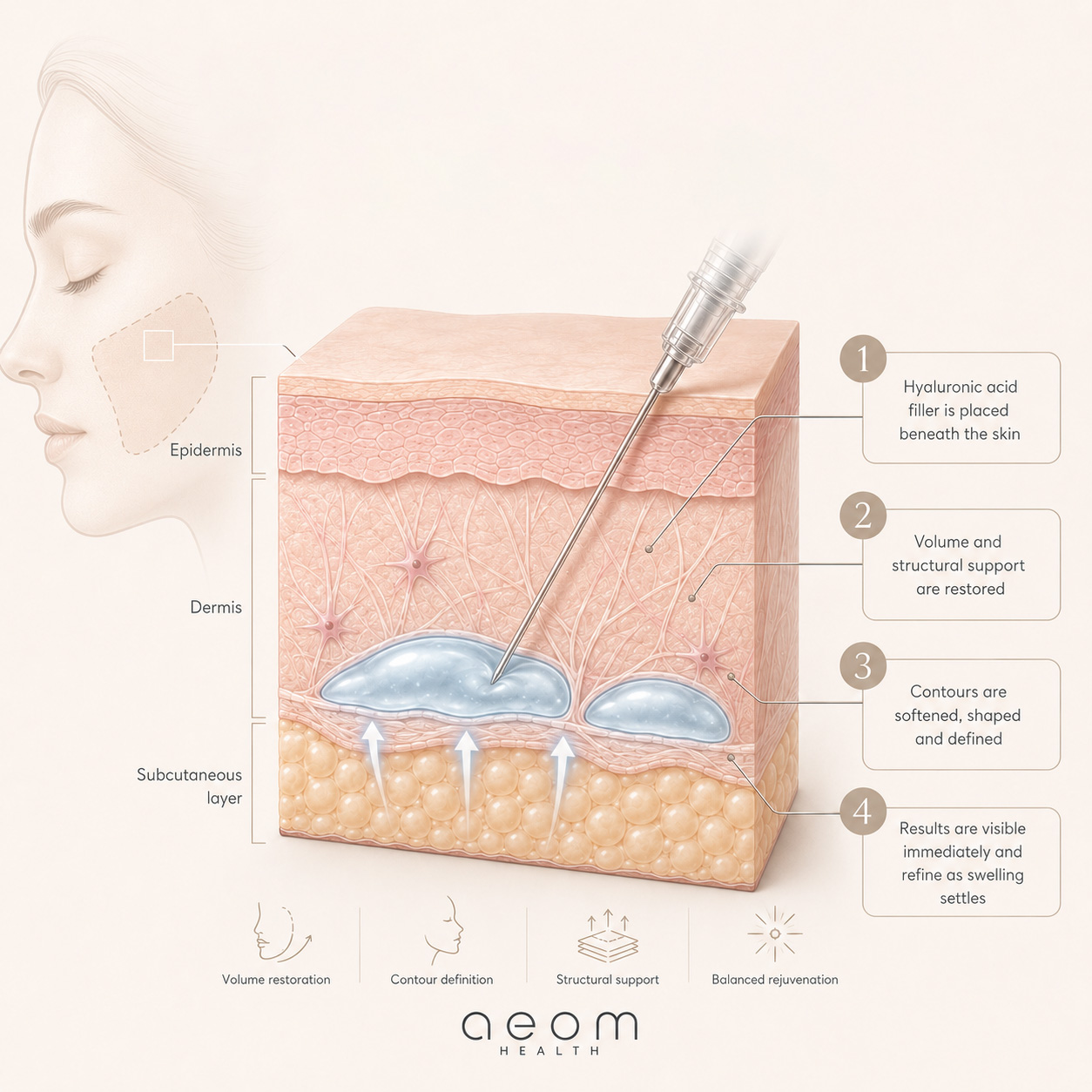
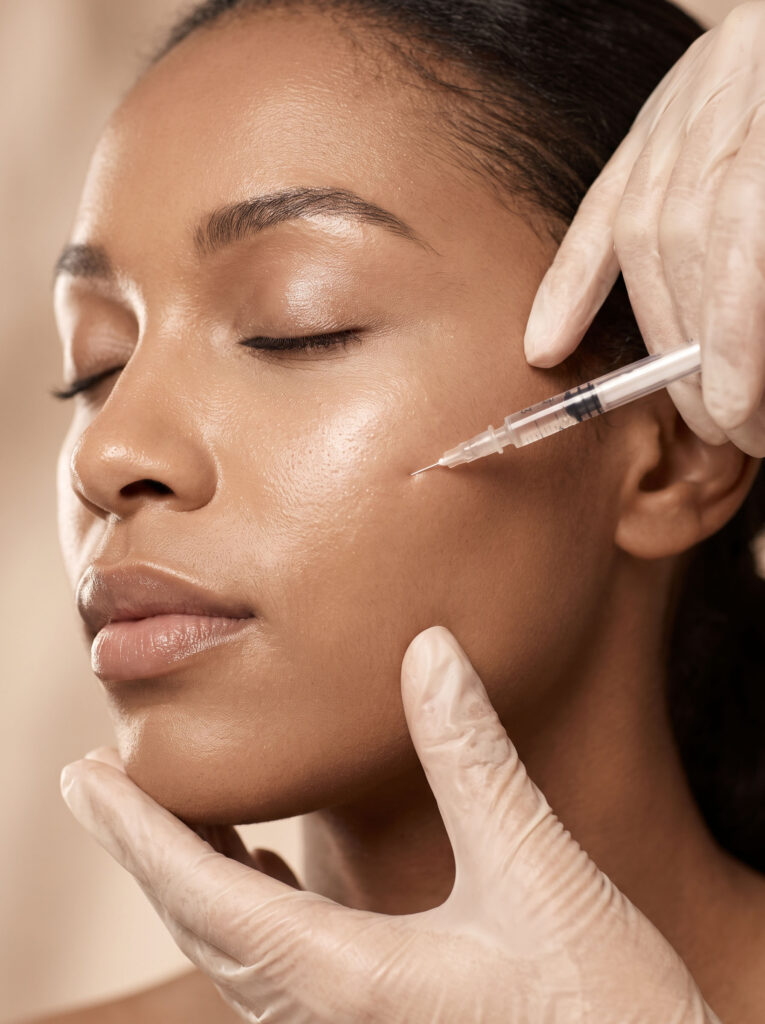
Dermal fillers are injectable gels, most commonly hyaluronic acid (HA) based, but also calcium hydroxylapatite, polycaprolactone, and other materials, placed at specific depths in the face to restore volume, address structural changes, or modify facial contours. Unlike anti-wrinkle injections (which reduce muscle activity), fillers physically add volume to the area where they're placed.
Crucially: fillers don't change skin quality, texture, hydration or skin tissue itself. They add volume. This is different from skin boosters (like Profhilo), which also use hyaluronic acid but work on skin tissue quality rather than adding volume. The two are frequently confused; we'll explain the difference at consultation if it's relevant.
These are all FDA-approved, MHRA-registered HA fillers with strong safety records. The differences between them relate to gel particle size, cross-linking technology, and durability, which determines where each is most appropriate.
Why we use HA fillers specifically: Hyaluronic acid fillers have a critical advantage: they can be reversed using hyaluronidase (an enzyme that dissolves HA). If a result isn't right, the product can be dissolved and removed. This is a meaningful safety advantage over permanent or semi-permanent fillers, which we do not use at AEOM.
AREAS WE TREAT
Areas we treat
and how we approach each
Cheeks
The concern: Loss of cheek volume associated with ageing, weight loss (including GLP-1 medication-related), or genetic predisposition.
Our approach: Cheek work can be excellent for the right patient — subtle restoration of cheek projection that lifts the mid-face and improves overall facial balance. We typically use small volumes (often 1ml per side or less), staged across multiple visits if needed. We do not over-fill cheeks, which produces the "Instagram cheek" look that ages poorly.
Tear Troughs / Under Eye
The concern: Dark hollows under the eyes, often confused with under-eye circles.
Our approach: Tear trough filler is one of the most over-delivered treatments in aesthetics and one of the highest-risk if done badly. The under-eye area has complex anatomy, thin skin and challenging dynamics. For patients with appropriate anatomy, careful tear trough treatment can produce subtle, refreshing results. For patients with the wrong anatomy (significant skin laxity, dark circles from pigmentation rather than hollowing), tear trough filler doesn't work and can produce visible problems for years. We assess carefully and decline often.
Chin and Jawline
The concern: Weak or recessed chin, undefined jawline, or post-weight-loss jawline laxity.
Our approach: Chin and jawline filler can produce meaningful improvements in facial proportion for the right patient. We typically use small to moderate volumes, and often discuss whether Sofwave for jawline tightening would be a better or complementary first step before considering filler.
Nasolabial Folds and Marionette Lines
The concern: The lines running from the nose to the mouth, and from the corners of the mouth down toward the chin.
Our approach: These are usually a symptom of underlying volume loss elsewhere (cheeks) rather than concerns that need filling directly. We typically address cheek volume first; nasolabial filling alone often produces a heavy, "filled" look. Direct nasolabial filler is used sparingly when appropriate.
Lips
The concern: Loss of lip volume with age, or natural preference for slightly fuller lips.
Our approach: Lips are the most-requested and most-over-delivered filler area in London. We treat lips conservatively: typically no more than 0.5ml–0.7ml per session, in patients we know (we generally don't do first-visit lips), with results aimed at subtle enhancement rather than visible volume. If you want dramatically fuller lips, we're probably not the right clinic — we'd recommend a clinic whose aesthetic matches your goal.
WHO IT'S FOR
Who dermal fillers are right for
Dermal fillers may be appropriate if you are:
Experiencing specific, identifiable volume loss — typically from ageing, significant weight loss (including GLP-1), or genetic predisposition
Looking for restoration rather than augmentation — restoring how you used to look, not changing how you look
Considering filler for a specific, single area and willing to start small
Comfortable with the realistic timeline — results typically last 6–18 months depending on area, with maintenance required
Realistic about results — subtle improvement, not transformation
Preventative tightening — patients in their late 30s or 40s wanting to maintain structural skin quality before it visibly declines
Dermal fillers may not be the right treatment if:
You're focused on skin quality, texture or hydration — these need Profhilo, microneedling, JetPeel or PRP, not filler.
You're focused on skin laxity or lifting — Sofwave or surgical interventions are appropriate; filler doesn't lift.
You want to dramatically change facial structure — we don't deliver dramatic transformations; consider whether aesthetic treatment is the right answer to that question.
You've had previous filler complications or significant filler accumulation — we may decline treatment until the underlying situation has been assessed.
You have unrealistic expectations or arrive with specific filter-influenced images — we'll have an honest conversation.
You're pregnant or breastfeeding — fillers are not delivered during pregnancy or breastfeeding.
You have active skin infections in or near the treatment area.
You're on certain medications that interact with filler or increase complication risk — we'll review at consultation.
WHAT TO EXPECT
Before, during and after
Before
Consultation
Every filler patient begins with a proper consultation. For first-time patients we often recommend an initial consultation without treatment on the same day, time to discuss, weigh alternatives and decide thoughtfully. Returning patients with known concerns can usually be treated in the same visit.
Preparation: avoid alcohol for 24 hours beforehand; avoid blood-thinning supplements (high-dose Vitamin E, fish oil, ginkgo) for 48 hours if comfortable; avoid ibuprofen, aspirin or anti-inflammatories for 48 hours unless medically necessary; don't schedule filler within 2 weeks of a major event, as results need time to settle; and come with clean skin, no makeup, well-hydrated.
During
The session
The treatment takes 30–60 minutes depending on the area. We review the plan, cleanse and mark the injection sites, then numb the area with topical cream (or local anaesthetic for certain areas). Filler is placed using fine needles or, where possible a cannula, which we prefer for most facial areas as it reduces bruising risk, followed by gentle moulding if appropriate and aftercare guidance. The injections feel like small pinches with mild pressure; most filler products contain lidocaine, which numbs the area as treatment proceeds.
After
Recovery
Some swelling, mild redness and occasional small bruising at the injection sites are normal. Treated areas often look slightly fuller at first, this is swelling, not over-filling. Swelling tends to peak within 24–48 hours (lips particularly can swell noticeably) then settles over the first week, with the final result visible at around two weeks, once the filler has integrated and any residual swelling has resolved. Results are then sustained for several months to a year or more, softening gradually as the body metabolises the hyaluronic acid.
For first-time treatments we recommend a brief review at two weeks, in case a small adjustment is appropriate.
RESULTS
What results actually look like, and don't
The right result from filler isn't a visible transformation, it's looking refreshed, slightly more rested, and slightly more proportional. Other people typically notice you look well rather than identifying what's been done.
Subtle restoration of areas where volume has been lost
Improved facial proportion and balance
Reduced visibility of deeper static lines (where they're driven by volume loss)
More rested-looking overall appearance
Hands appearing less "aged" with reduced vein/tendon visibility (with hand filler)
No visible "filled" look — natural integration with existing features
Important note on volume accumulation: Repeated filler treatments over many years can lead to volume accumulation, particularly when patients receive treatment frequently or in large volumes. We discuss this honestly at consultation. The goal is restoration, not progressive over-filling — and we may recommend taking breaks, reducing maintenance volumes over time, or in some cases dissolving accumulated filler.
What filler won't do,
and where we'll push back
This section is more important on this page than on others. Patients arrive at filler consultations with specific ideas, often shaped by social media, friends, or previous clinics. We'll have honest conversations about:
Filler doesn't lift. It restores volume, which can produce a subtle lifted effect in some areas — but it doesn't replace what Sofwave or surgical lifting do for skin laxity.
Filler doesn't fix skin quality, dark circles, hyperpigmentation, or texture. If those are your underlying concerns, no amount of filler will address them.
More isn't better. The "more filler = better result" assumption is the source of most aesthetic medicine failures. Conservative dosing produces better long-term outcomes.
First filler isn't necessarily best filler. Sometimes the right answer at consultation is "let's address other things first and revisit filler in 6 months."
We may decline treatment. Patients who arrive demanding aggressive volume, or with anatomy that makes treatment problematic, may be declined. This is rare but it happens.
PRICING
Dermal filler pricing
Areas
Price (per syringe / treatment)
Lips
£495
Cheeks
£550 per side, or £950 both sides
Tear Troughs
£650 per side, or £1,150 both sides
Chin
£650
Jawline
£950
Nasolabial Folds
£495
Marionette Lines
£495
Hands
£650 per hand
Hyaluronidase (dissolving)
£450 per session
2-week review included with first-time treatments at no additional charge.
Note on dissolving: If you have existing filler from elsewhere that you'd like assessed or partially dissolved, we offer this as a standalone service. We sometimes recommend partial dissolving as the right first step before any further work, staging the assessment over multiple visits.
COMBINE WITH
Treatments that combine well with filler
Anti-Wrinkle
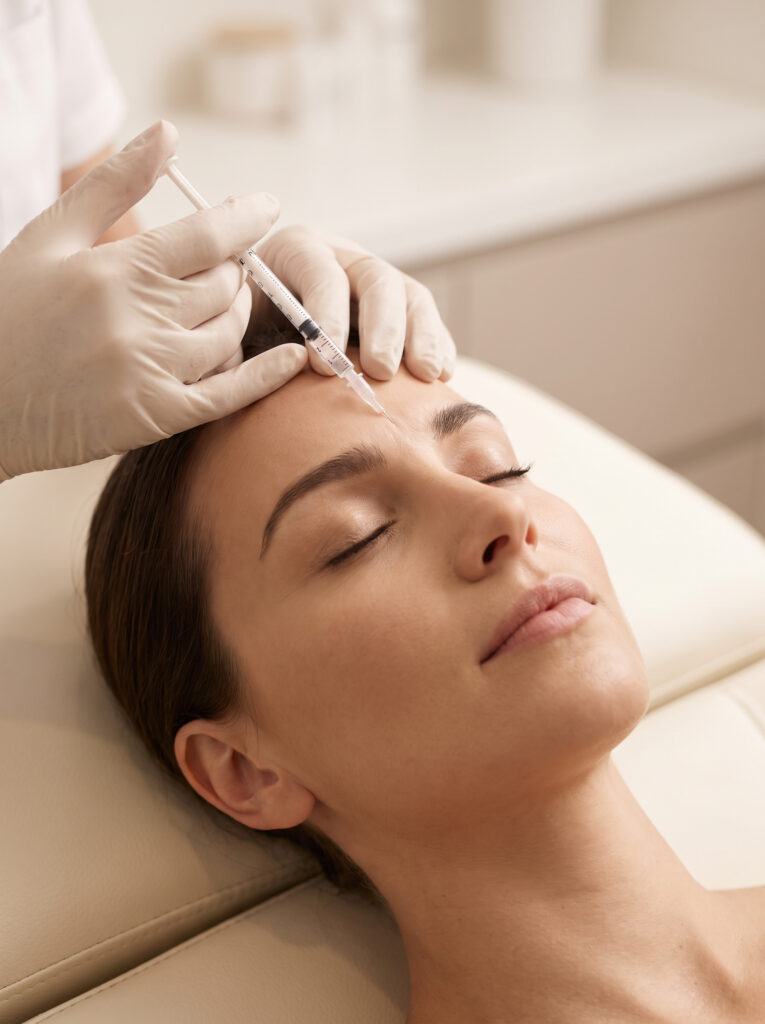
The most common pairing at AEOM, because the two treatments address genuinely different things: filler restores lost volume and refines contour, while anti-wrinkle softens the dynamic lines created by muscle movement. Treating both together produces a more balanced, complete result than either alone, volume where it's needed, expression lines eased where they've deepened. Often delivered in the same visit, with anti-wrinkle placed first and filler second. Where both are appropriate, this is frequently the most efficient way to achieve a refreshed result while keeping each treatment conservative.
Sofwave
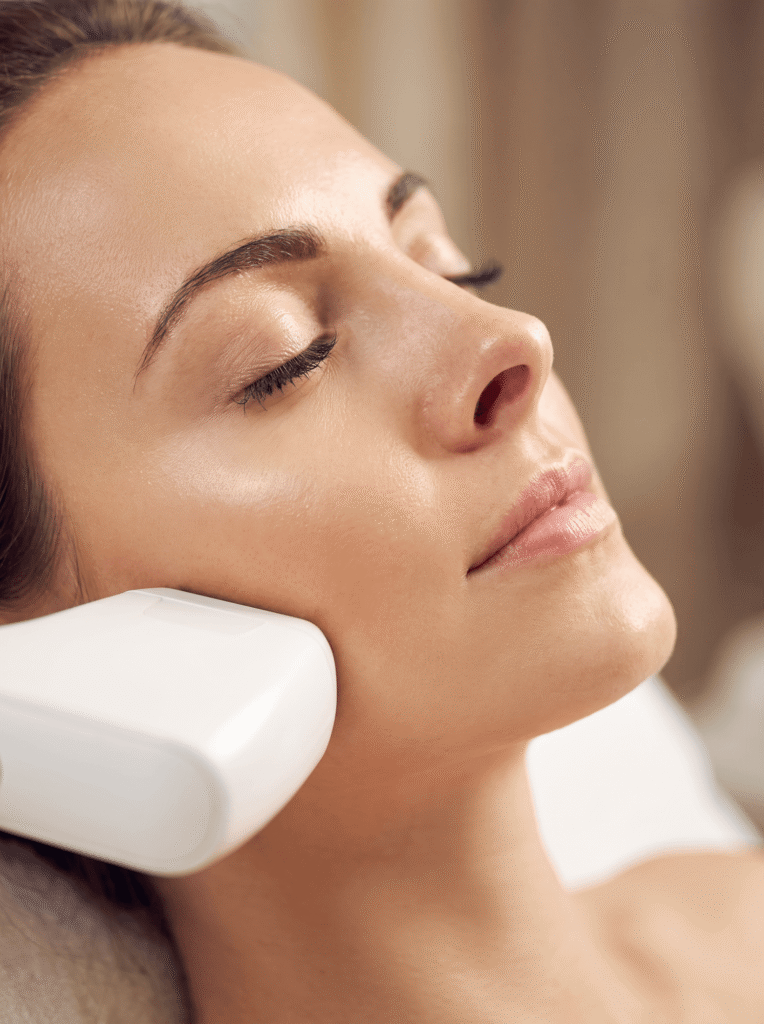
The right combination for patients dealing with both skin laxity and volume loss, a common picture as skin ages or after significant weight loss. The two work at different levels: Sofwave stimulates collagen in the deeper layers to firm and tighten the skin's underlying structure, while filler restores specific volume where it's been lost. Because Sofwave works gradually over three months and filler is immediate, we usually deliver them as separate sessions, with Sofwave first, allowing the tightening to establish before we assess how much volume is genuinely needed. Often this means less filler is required than first expected.
Skin Boosters
Filler and skin boosters are frequently confused, but they do different jobs and used together they're complementary. Filler adds structural volume; Profhilo and skin boosters improve the quality, hydration and elasticity of the skin tissue itself, without adding volume. For patients who want both restored contour and better overall skin quality, the two work well in sequence, typically staged 2–4 weeks apart so each can settle and be assessed on its own.

Advanced Facial
An advanced facial prepares and conditions the skin around filler treatment. A session a week or two beforehand cleanses, exfoliates and hydrates the skin, creating an optimal canvas; a session afterwards supports recovery and maintains surface skin quality alongside the volume work. It's a gentle, no-downtime complement rather than a second structural treatment, useful for patients building skin quality and volume together.
Frequently asked questions
Why is your approach to fillers so restrained?
Because the evidence — both clinical and aesthetic — supports it. The volume of filler delivered in London has grown enormously over the last decade, and the visible results in the patient population have not been universally positive. "Over-filled" faces, accumulated product that distorts facial structure over time, and the gradual normalisation of unnatural looks are all real industry-wide problems. Our approach is to treat where it genuinely helps, at conservative doses, and to be honest about when something else (or nothing) is the better answer.
Will I look "done" after filler?
Not with us, in most cases. Our approach prioritises restoration over augmentation, conservative dosing, and natural appearance. Patients who want visibly augmented features (dramatic cheeks, very full lips) are typically better served by clinics whose aesthetic matches that goal — we'll be honest at consultation if that's what you're hoping for.
How long does filler last?
Depends on the product, area and patient metabolism. Typically 6–9 months for lips, 9–12 months for tear troughs and hands, 12–18 months for cheeks, chin and jawline. Active lifestyle, exercise and faster metabolism can shorten longevity slightly.
Can fillers be dissolved if I don't like the result?
Yes — hyaluronic acid fillers can be dissolved using hyaluronidase, an enzyme that breaks down HA. This is one of the major safety advantages of HA fillers over permanent options. We can dissolve filler placed at AEOM or elsewhere; dissolving costs £450 per session and may require multiple sessions for older filler.
Do you do lip filler on first visits?
Generally no. We prefer to deliver lip filler in patients we've consulted with, gotten to know, and assessed for facial proportion. First-visit lip filler is one of the highest-regret treatments in aesthetics, and we'd rather avoid that outcome. Exceptions exist for returning patients or after thorough consultation.
Can I have filler if I have previous filler from another clinic?
Yes, with assessment. We'll review what's been placed previously, where, and whether any of it needs partial dissolution before further work. Sometimes the right first step is dissolving older filler before adding new — particularly if accumulation has occurred over multiple years.
Will I bruise?
Mild bruising at injection sites is common — typically settling in 5–10 days. We use cannula technique where appropriate (rather than needle injections) to reduce bruising risk in certain areas. We'd recommend not scheduling filler within 2 weeks of a major event.
Is filler painful?
Most filler products contain lidocaine (a local anaesthetic) which provides numbing as injection proceeds. Topical numbing cream is applied beforehand. Most patients describe sharp pinches at injection points with bearable discomfort. Lips can be more sensitive than other areas — we offer local anaesthetic injection for lip treatments if preferred.
What's the difference between filler and Profhilo?
Filler adds volume to specific places. Profhilo improves skin tissue quality without adding volume. They're frequently confused because both use hyaluronic acid as the active ingredient — but they're delivered differently, placed at different depths, and serve different purposes. For patients unsure which is appropriate, the consultation is where we'd discuss this clearly.
Can I have filler during pregnancy?
No — fillers are not delivered during pregnancy or breastfeeding.
Do you offer cheek "structure" filler or non-surgical rhinoplasty?
Cheek structure work is part of what we offer (carefully, conservatively). Non-surgical rhinoplasty (nose filler) we don't currently offer — the risk profile is meaningfully higher than face filler in other areas, and we prefer not to deliver treatments where complications can be severe. For patients interested in nose work, we'd recommend consultation with a specialist.
What complications are possible?
Common: bruising, swelling, tenderness, asymmetry. Uncommon: infection, lumps requiring dissolution. Rare but serious: vascular occlusion (filler inadvertently placed into a blood vessel), which can lead to tissue damage if not promptly recognised and treated. This is why technique, anatomical understanding, and access to dissolving treatment matter — we have hyaluronidase on-site and our clinical team is trained in emergency management. We'll discuss specific risks for each area at consultation.
Where is AEOM located?
Our clinic is at 116 Seymour Place in Marylebone, London.
Marylebone, Baker Street and Edgware Road stations are all under ten minutes on foot. Free street parking is available after 6.30pm, with paid bays on York Street nearby — daytime parking is reimbursed for treatments over £200. Treatments are by appointment only.
Ready to discuss fillers?
Dermal fillers can be excellent — for the right patient, in the right area, at the right dose, delivered by the right clinician. Book a consultation and we'll discuss honestly whether fillers are the right answer for what you're hoping to achieve. If they aren't, we'll tell you that too.